Friday
I was nervous all week long about Friday. I was excited to be traveling to Avignon, but felt a little concerned about meeting the other assistants. My anxious brain wondered if we would get along, if we would travel well together, and if they would want to see the same things as me. I stifled the nervous energy and left my house to start my trek across the country around 8:15 that morning.
I took the 1980 bus to Meyzieu, hopped on the ZI Tram to Lyon, and had about 30 minutes to wander about the train station before my train was assigned a platform. I have never had to locate a train platform on my own before, so I asked one of the orange-clad conductors to explain the system to me. He was really sweet and helped me out immediately. I forgot to bring a book with me on the trip, so I used my spare time to pick one up in the station’s bookstore. I grabbed two pain au chocolat before heading to the platform.
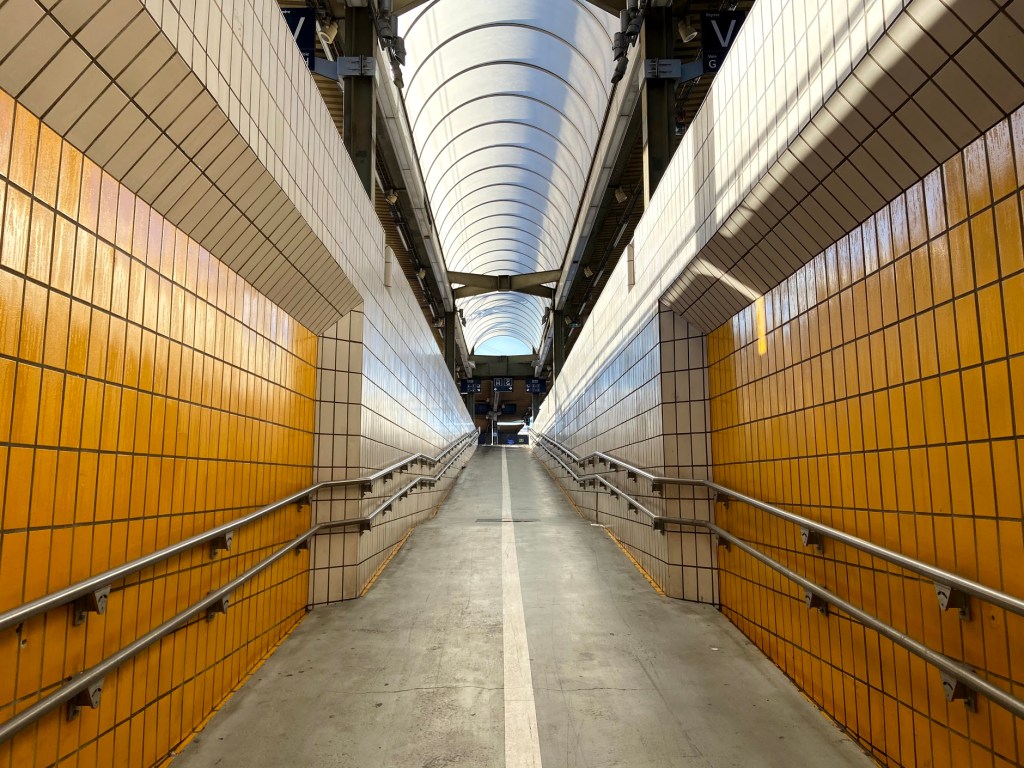
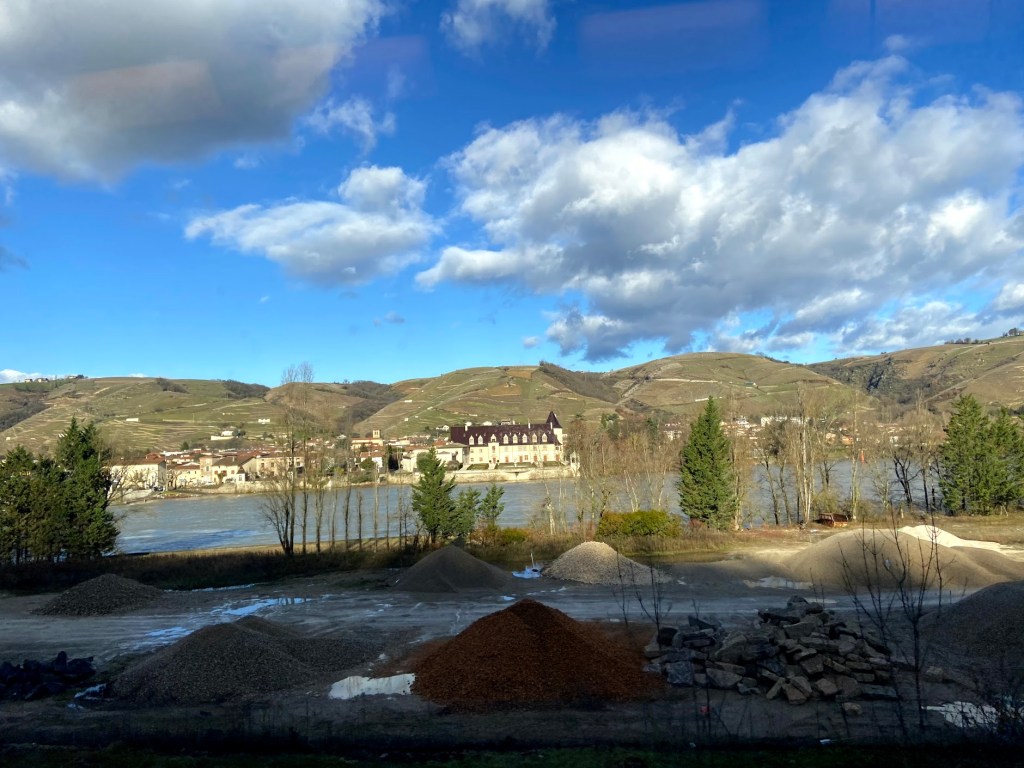
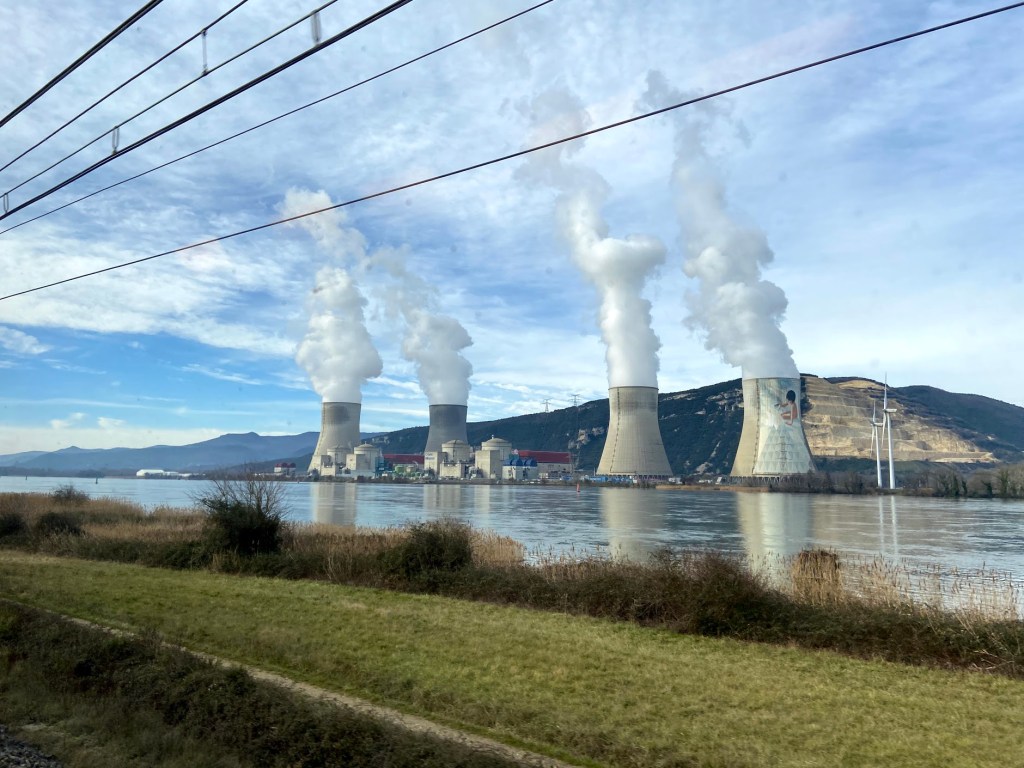
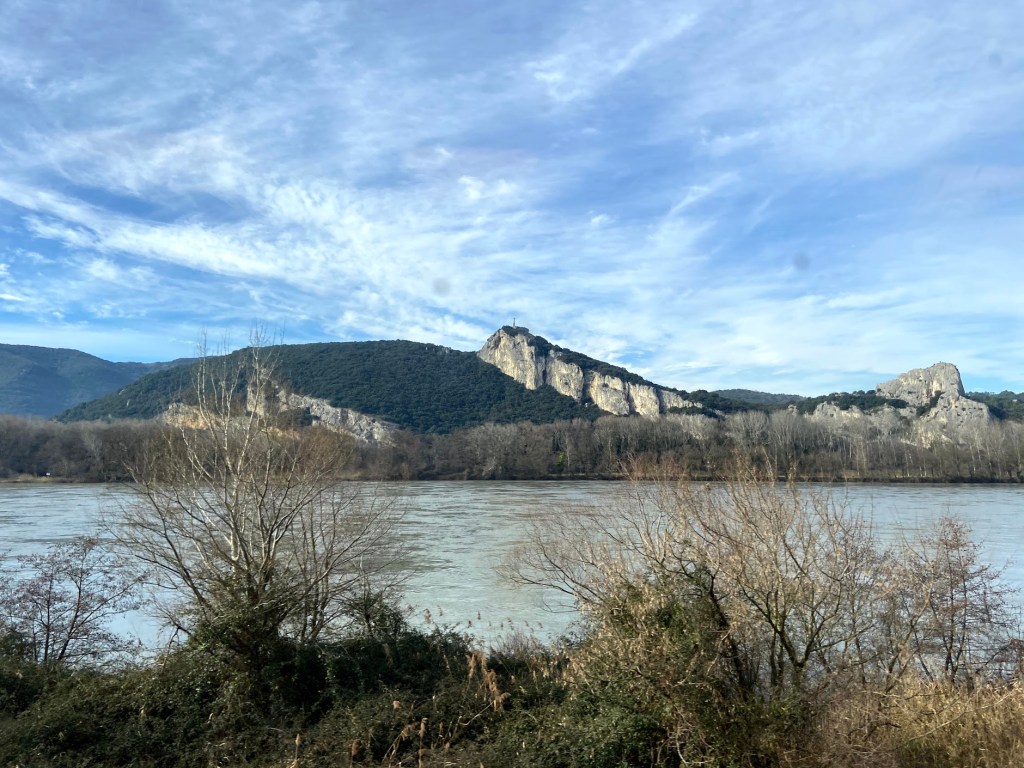
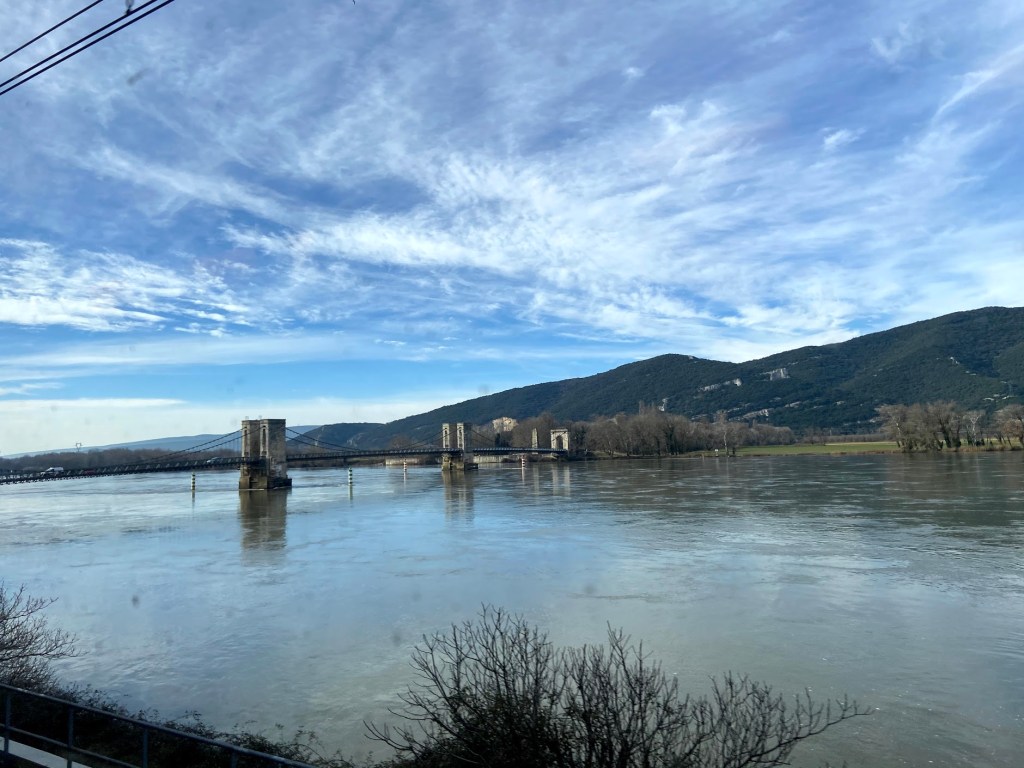
The TGV pulled up in just a few minutes and I found a comfortable seat on the second floor. It was the perfect spot to stare out the window. My ride was roughly 2.5 hours long. I was very thankful that I wore two masks the entire ride, as many of the other passengers were lax about theirs. When the conductor came by to scan tickets, two men nearby declared they didn’t have any. They were fined 150 euros each and the conductor took their passports. Yikes!
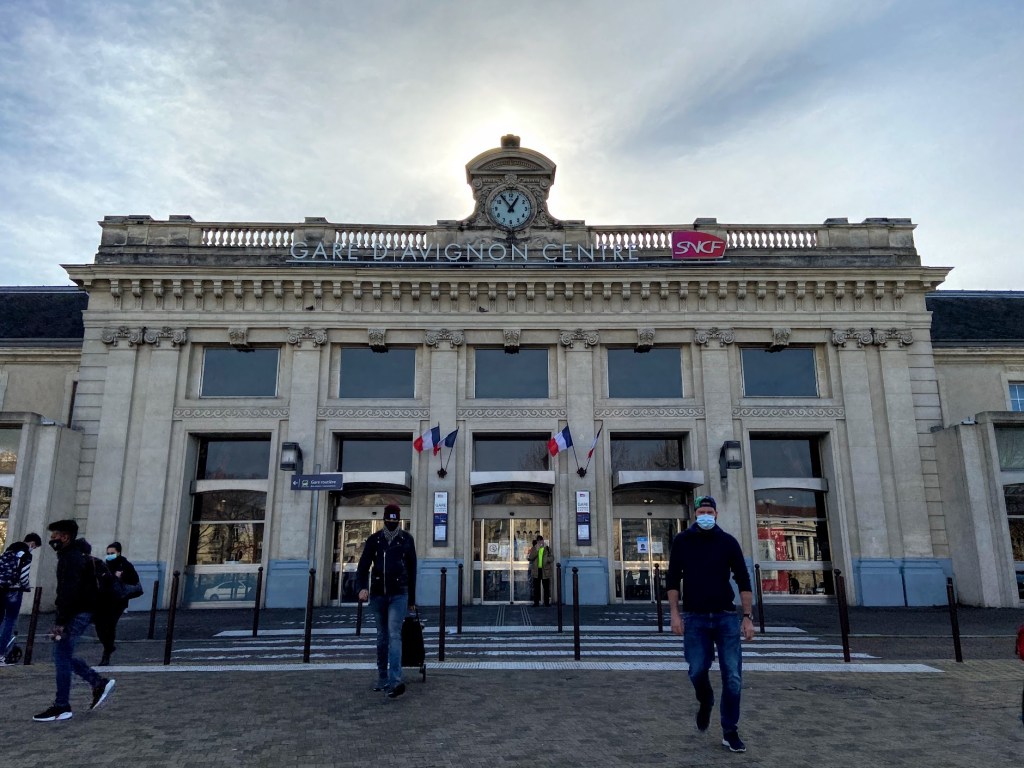
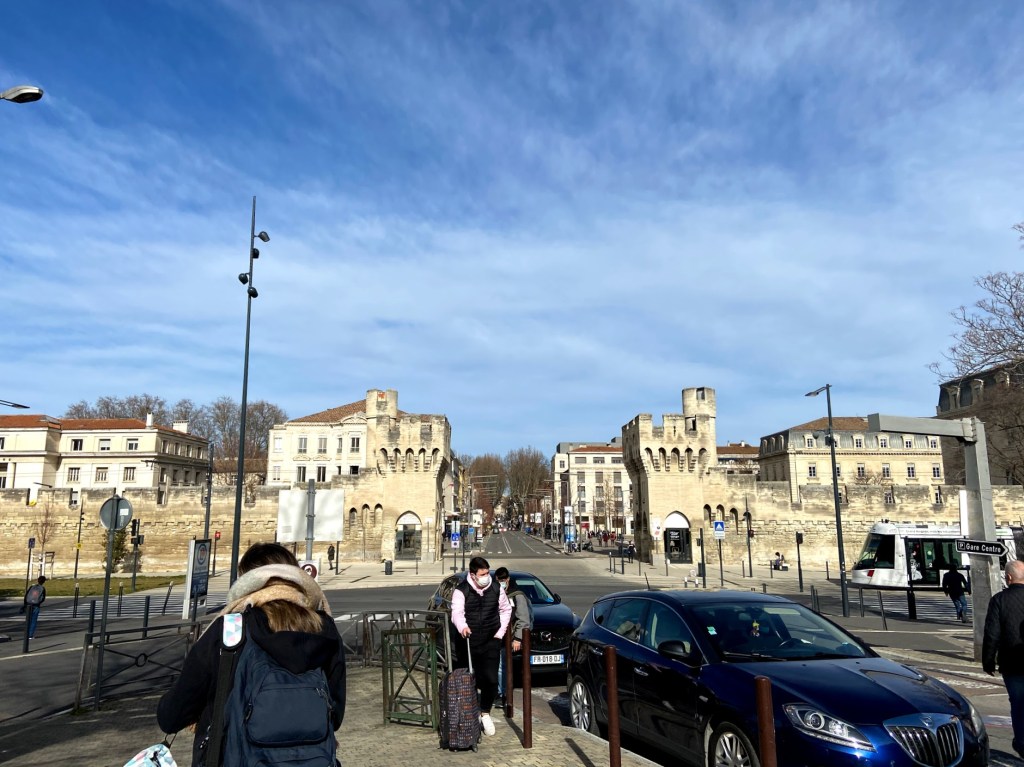
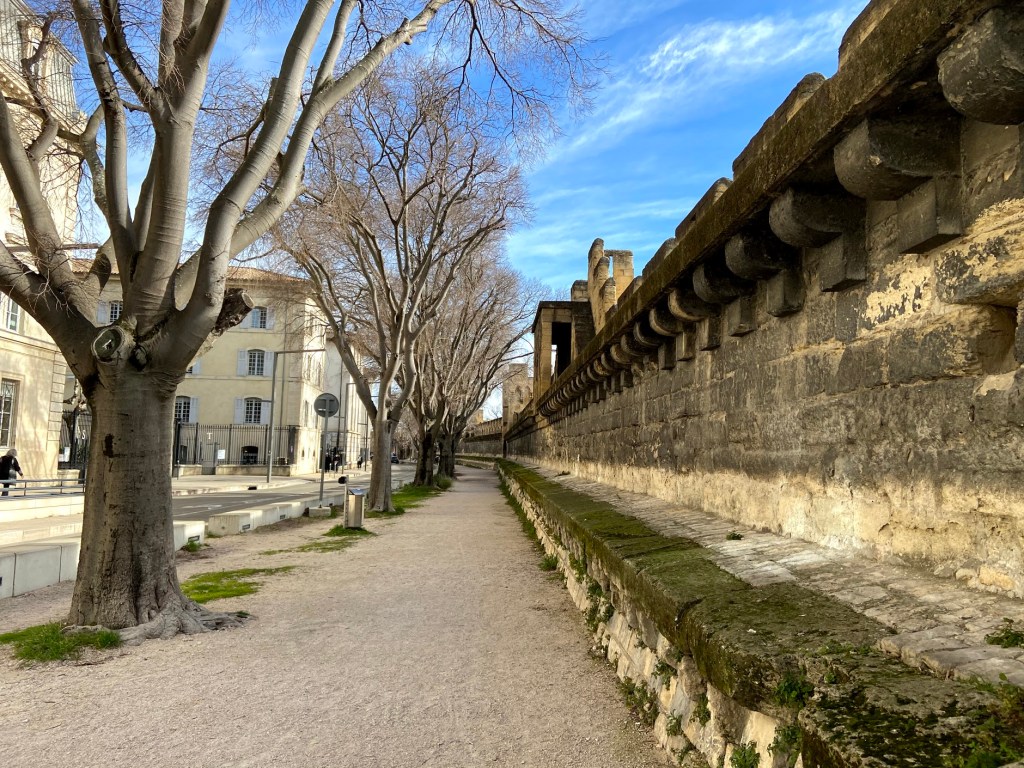
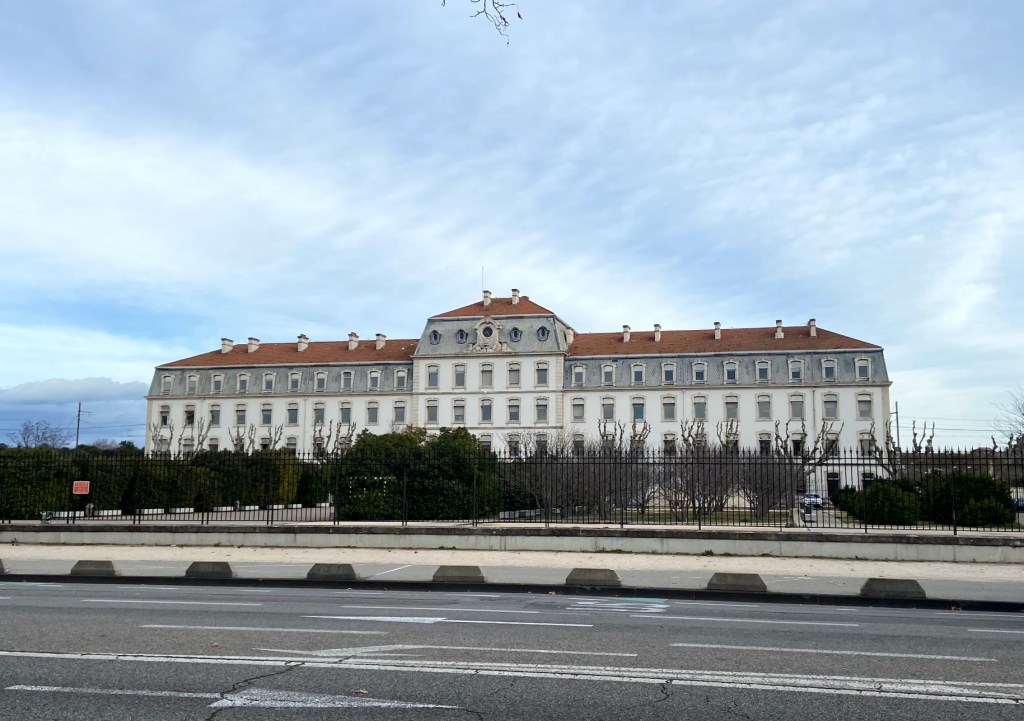
I arrived in Avignon at roughly 13:00h. The sun was shining overhead and the air was warm. It was about 60 degrees. I walked out of the train station and immediately saw the famous wall that surrounds the historic inner city. Anxious to get out of the crowd and sit down for a snack, I wandered beyond the wall and along it until I found a place to sit down. I removed my masks and enjoyed my pain au chocolat in the shade of a beautiful Haussmann style building.
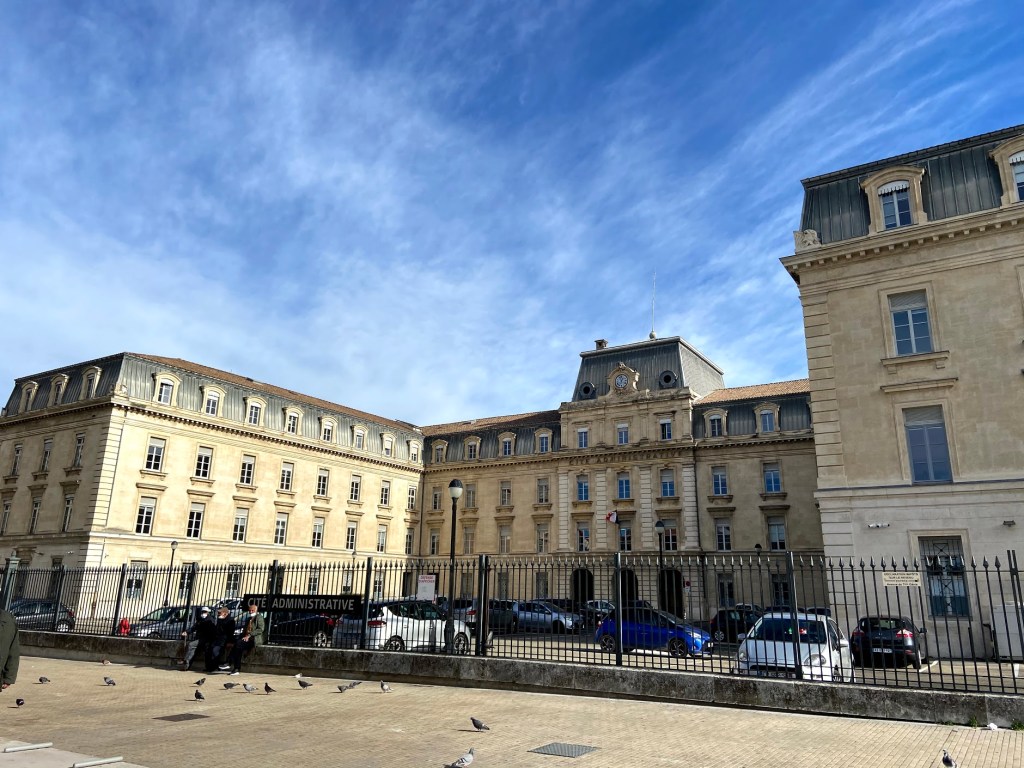
Center of Public Finances.
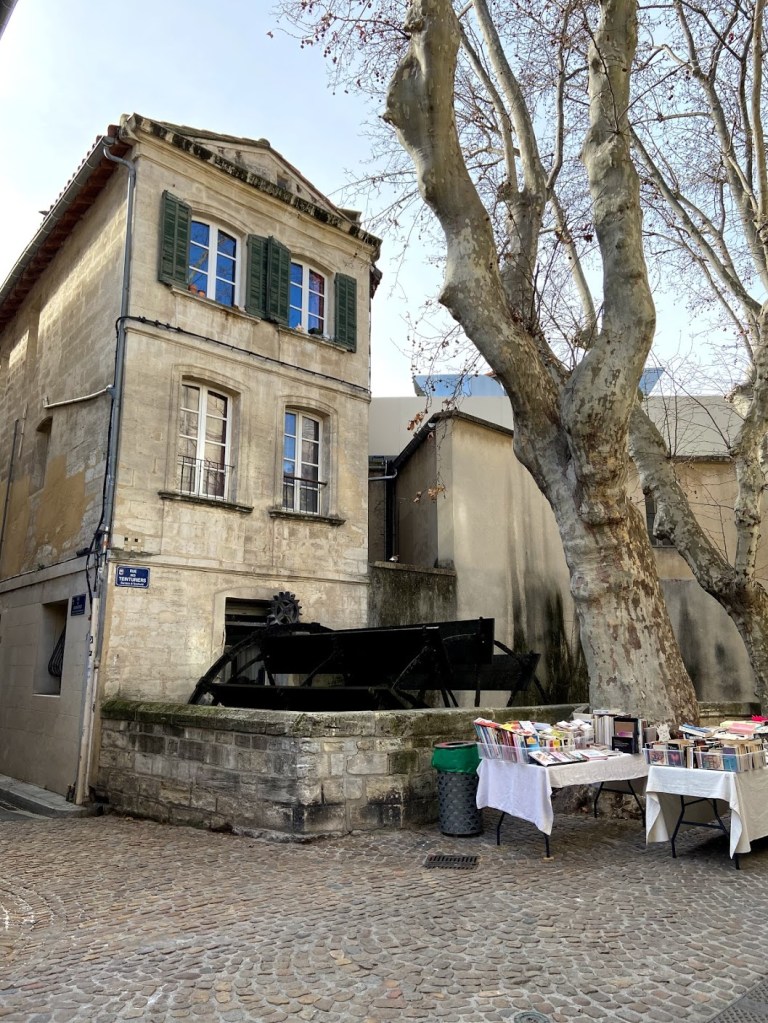
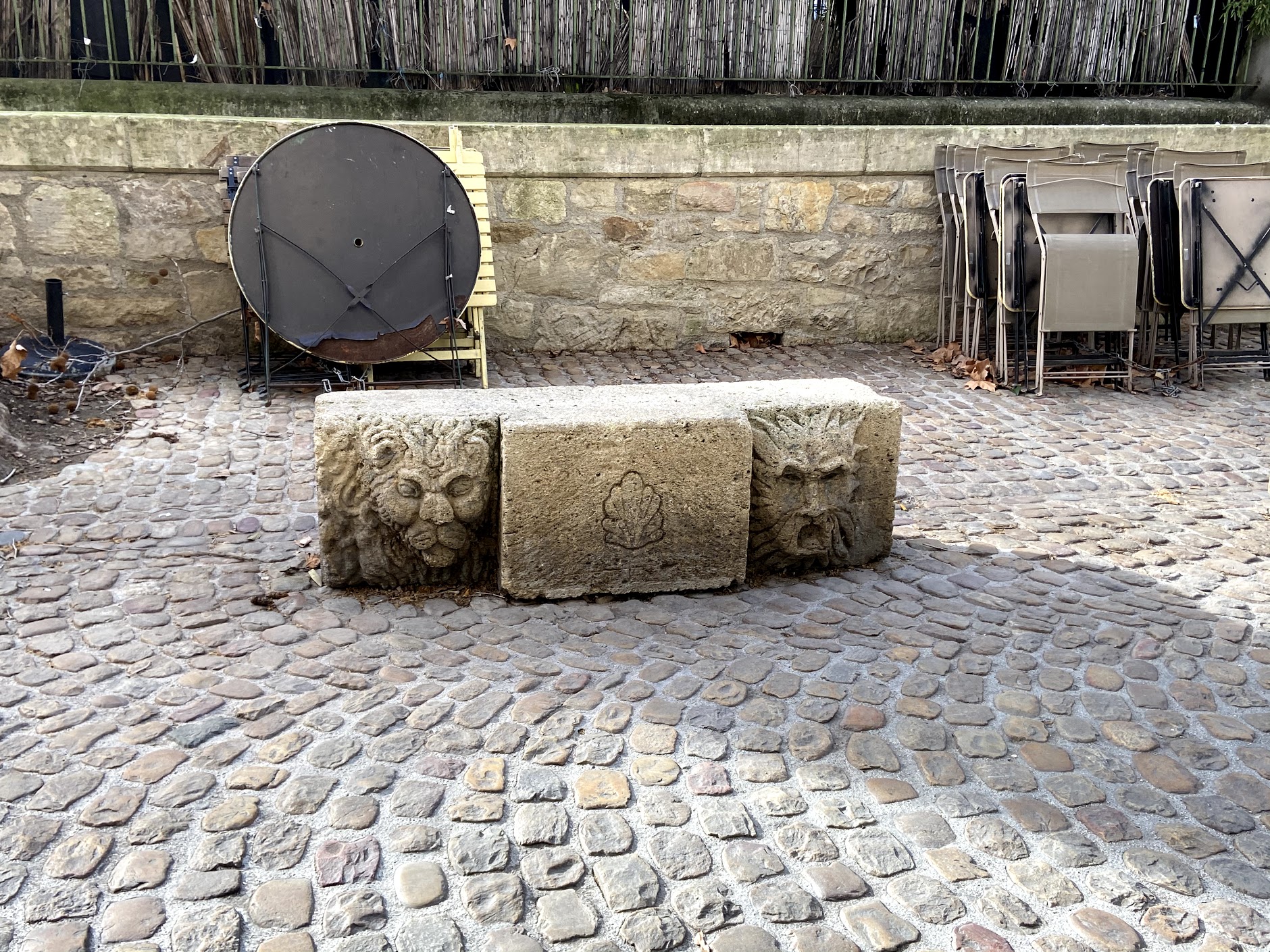
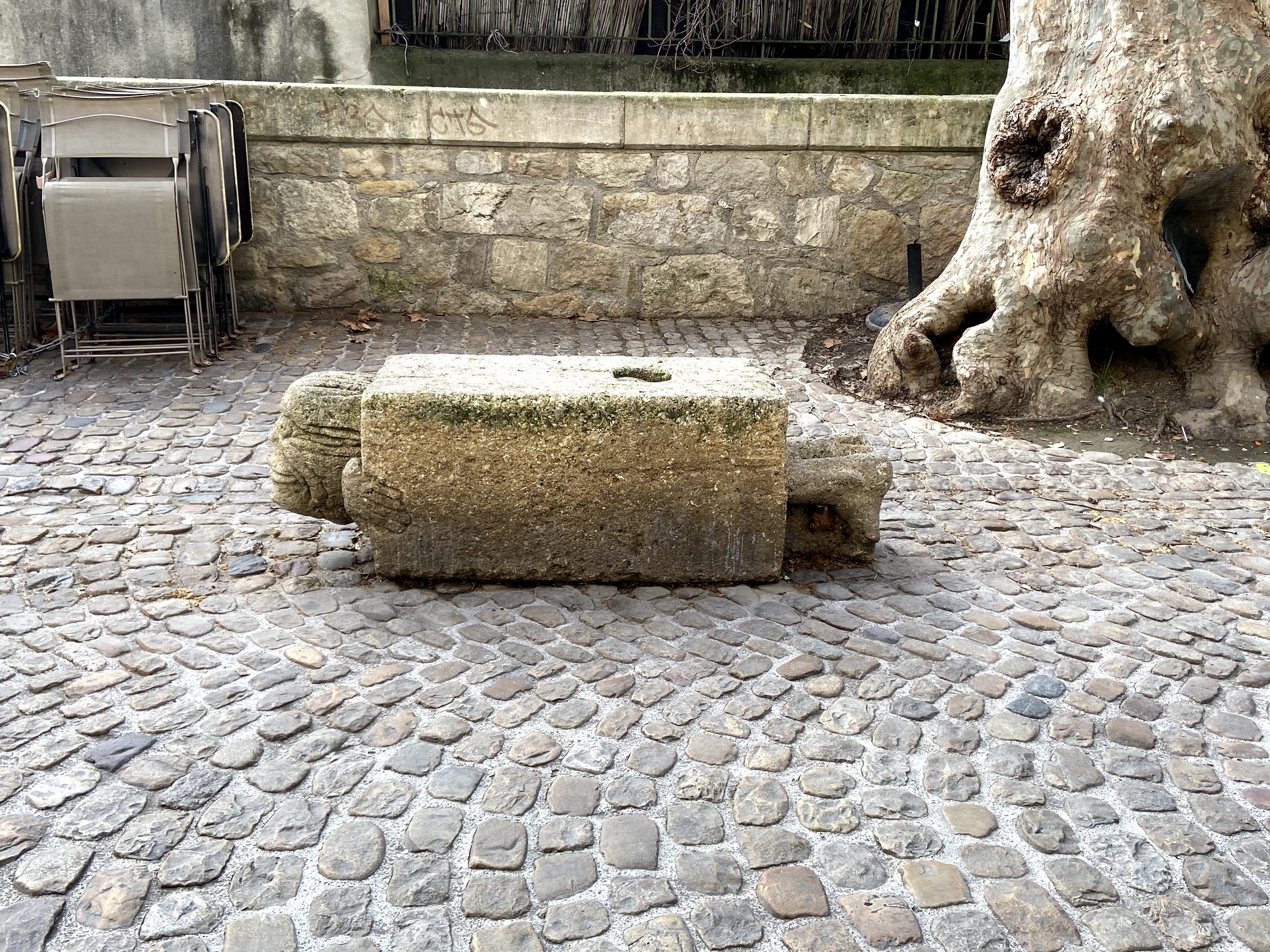
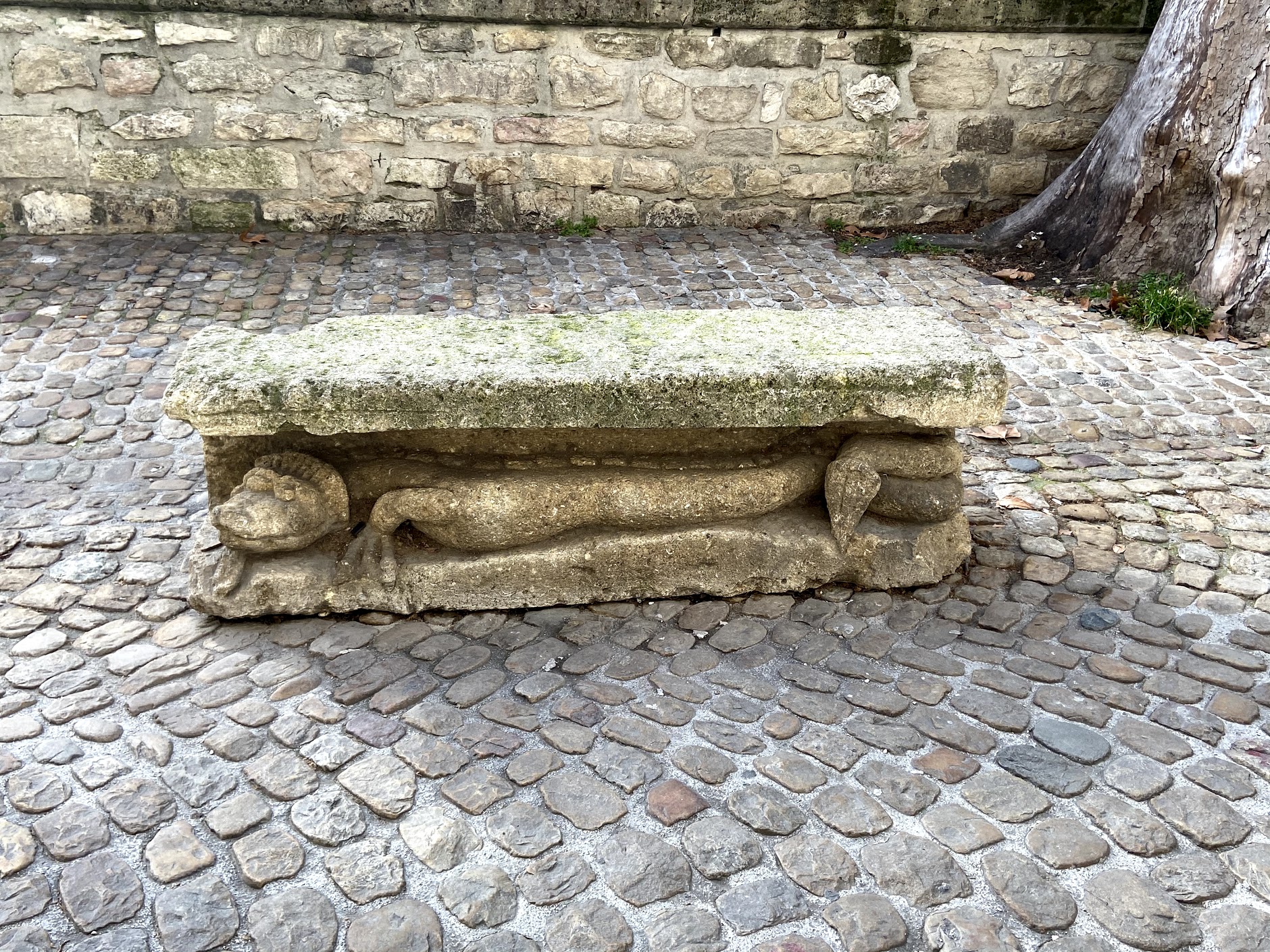
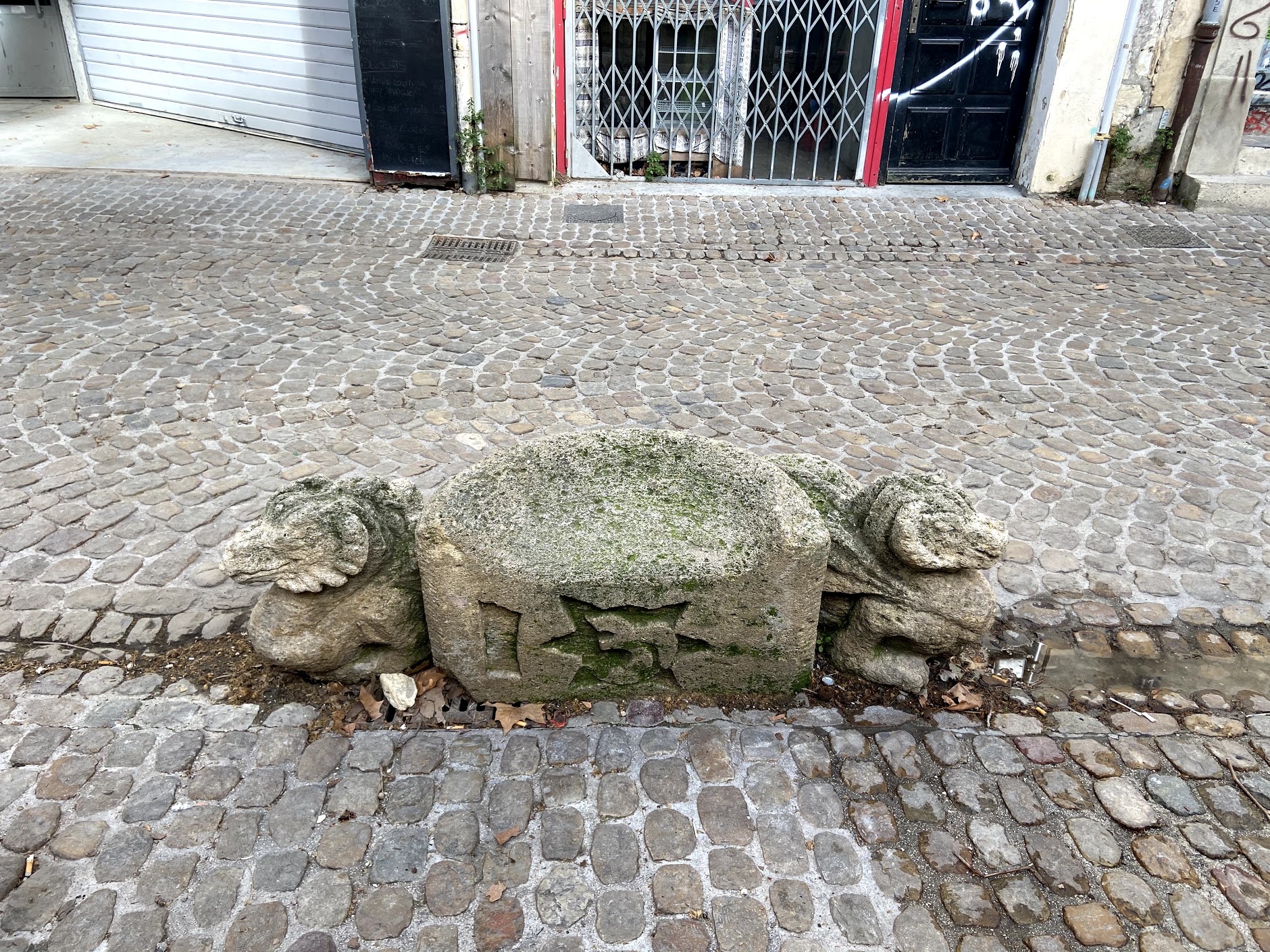
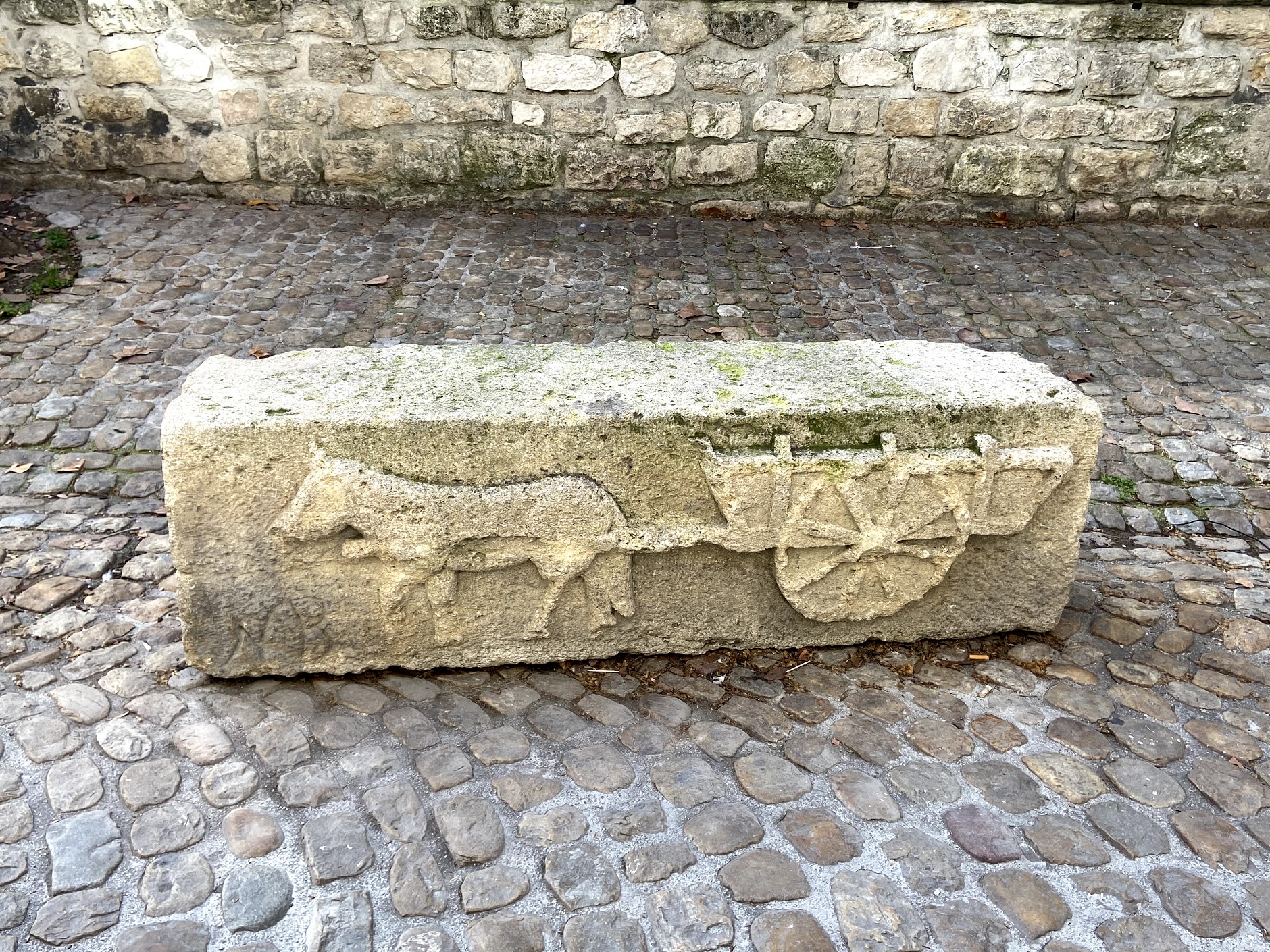
I found my Airbnb, but had some time before I could check in. I wandered around the neighborhood until about 14:30. It was so cool to be out of the house and seeing new things for the first time since my arrival! I passed an adorable bookstore beside the river, I saw ornate sitting stones outside a row of stores, and I noticed some old churches.
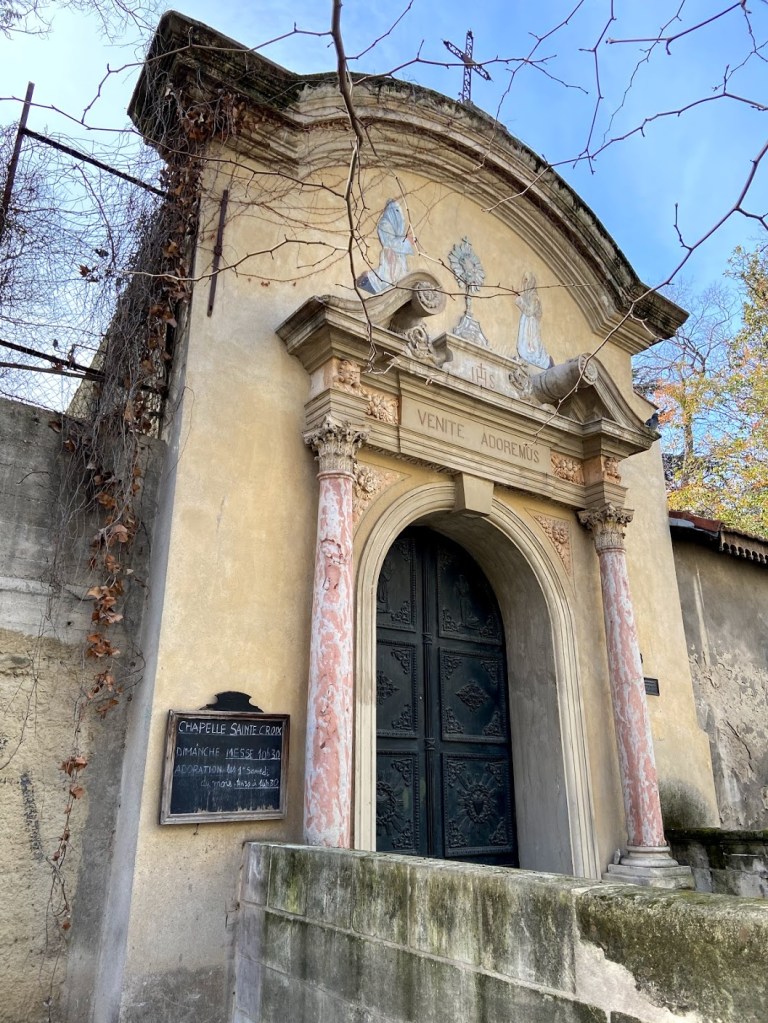
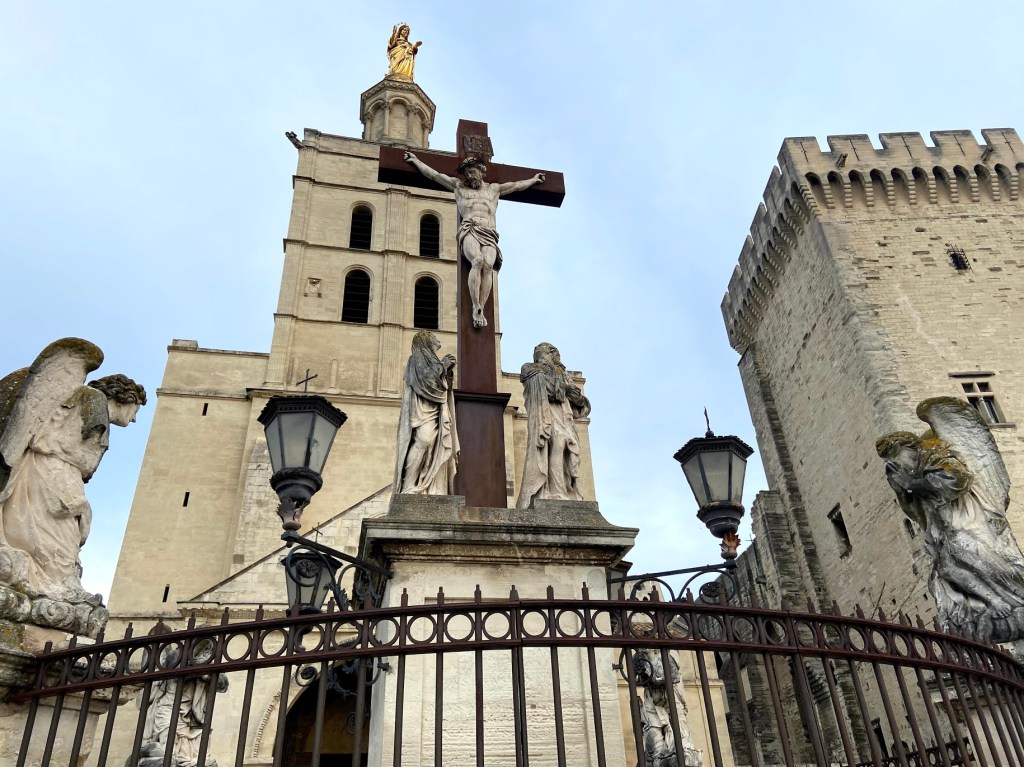
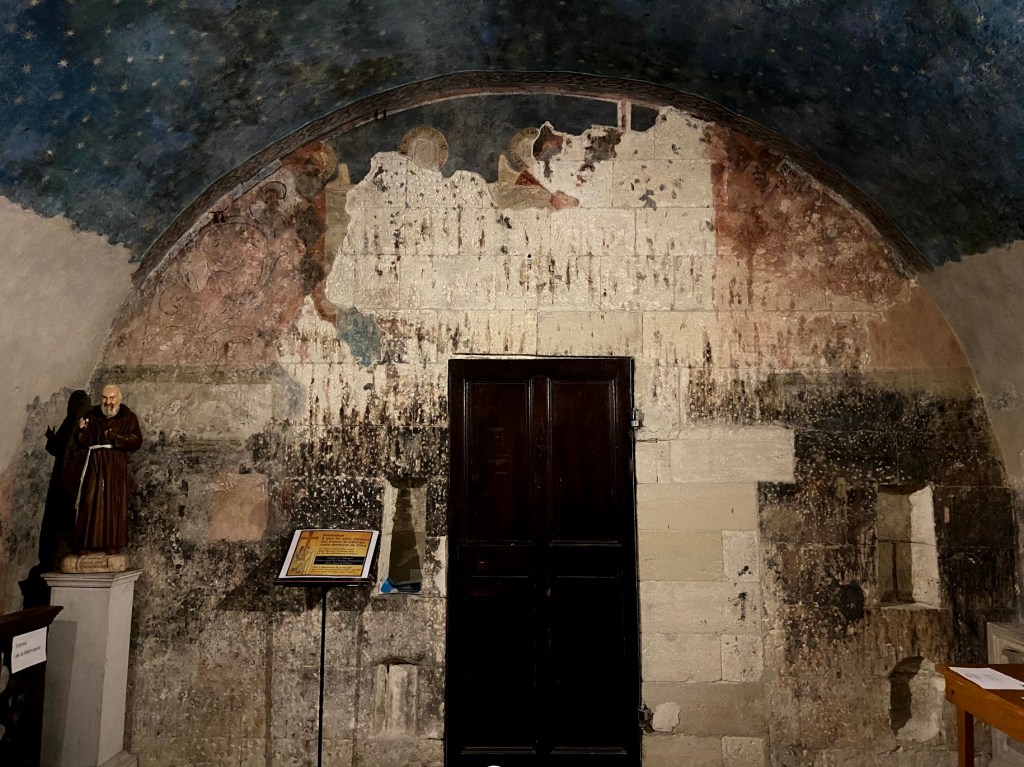
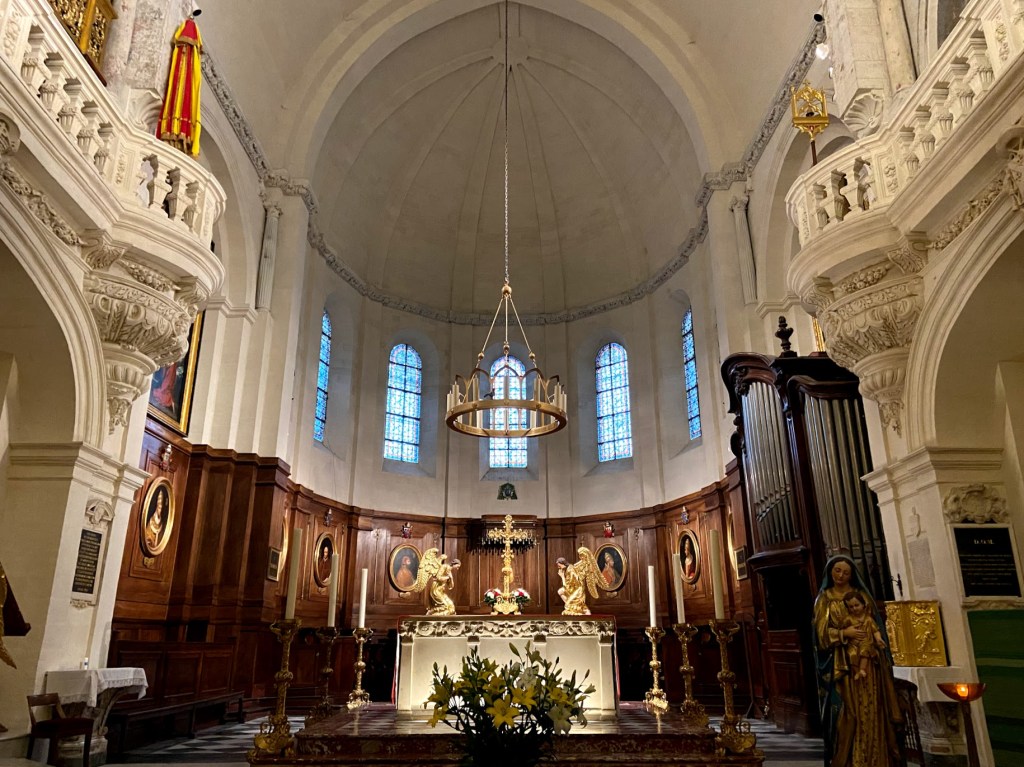
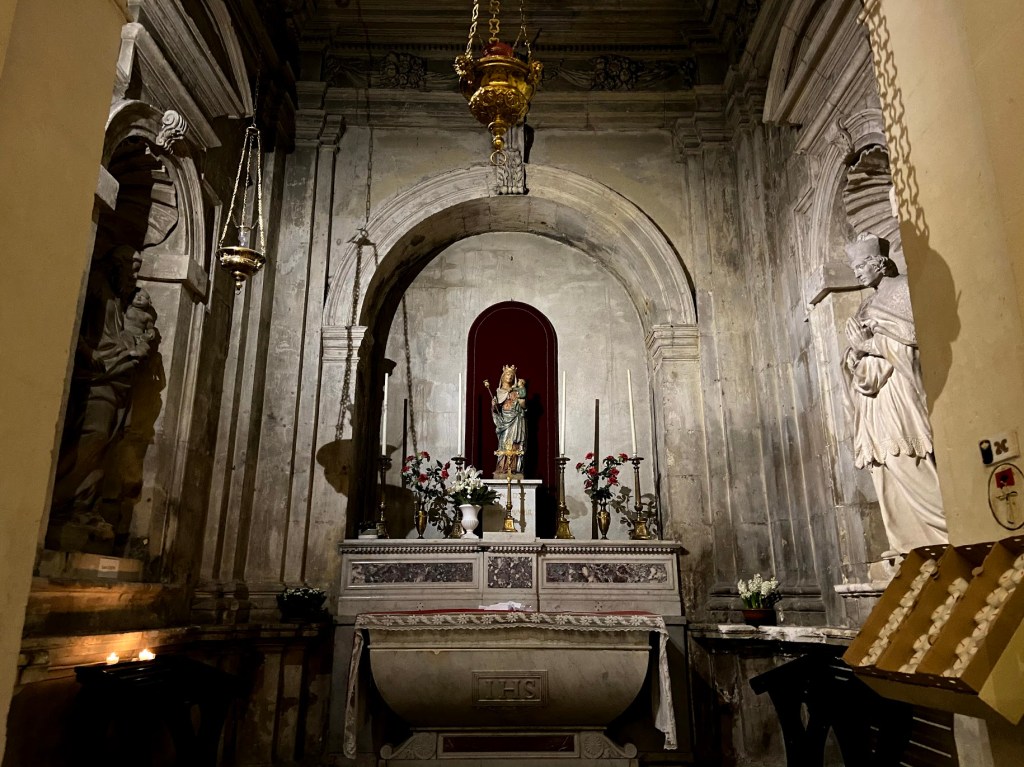
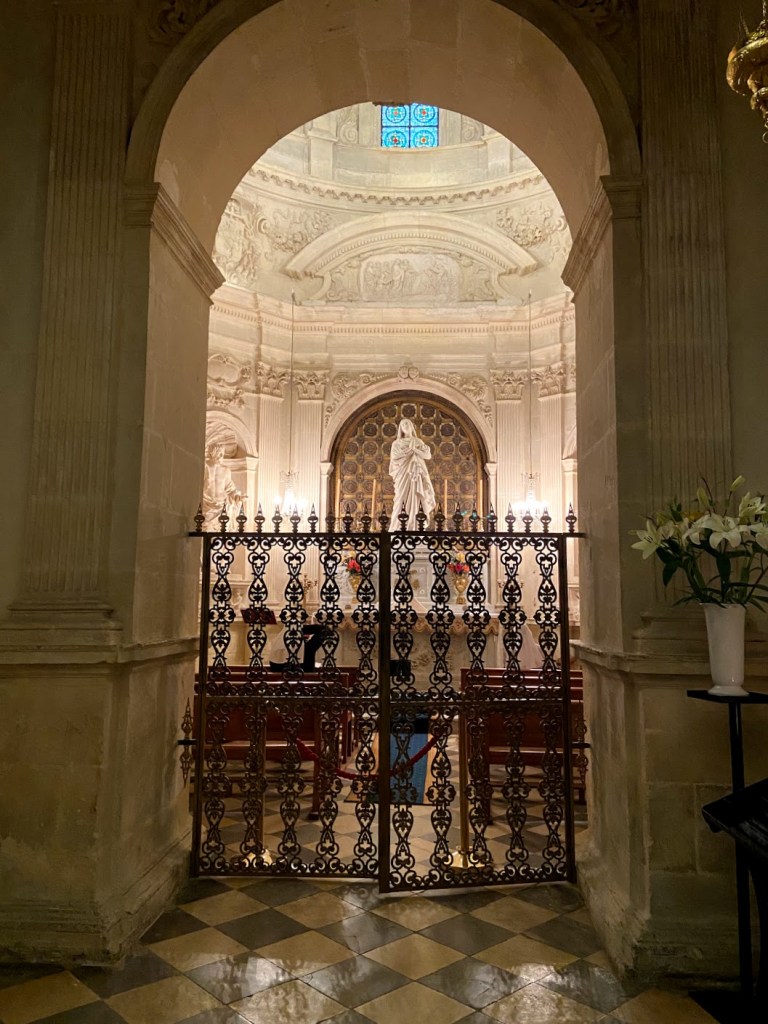
“Built on the site of the former Sainte-Croix Oratory, the many parts of this chapel come from different periods. The entrance vestibule with a panelled ceiling was built in 1631, the hexagonal room dates from the late 16th century, the vintners’ chapel was built in the 18th century, the Notre-Dame-de-Délivrance chapel dates from 1708-1709. The primary nave, called the “miracle nave”, rebuilt between 1816 and 1818 is where the liturgical services take place. 19th century stained glass windows.”
After dropping off my things, I wandered aimlessly throughout the city. I had a few hours before everyone was supposed to show up. I put in my airpods and started listening to the Jane Eyre audiobook.
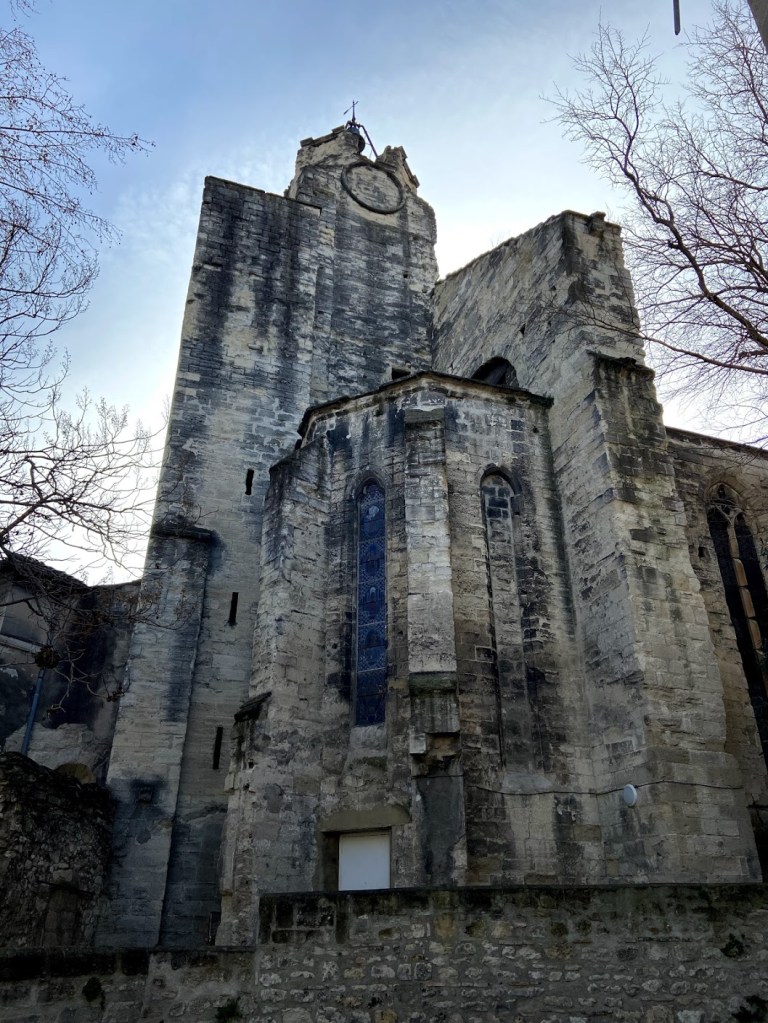
The first structure on the site was completed in 1233 by the Cordeliers. There was new construction in the 1300s and increased the size of the church. Jean XXII and Clément VI were patrons of this work. Tombs of great Avignon families were places in the chapels. The cloister was reconstructed in the 1600s.
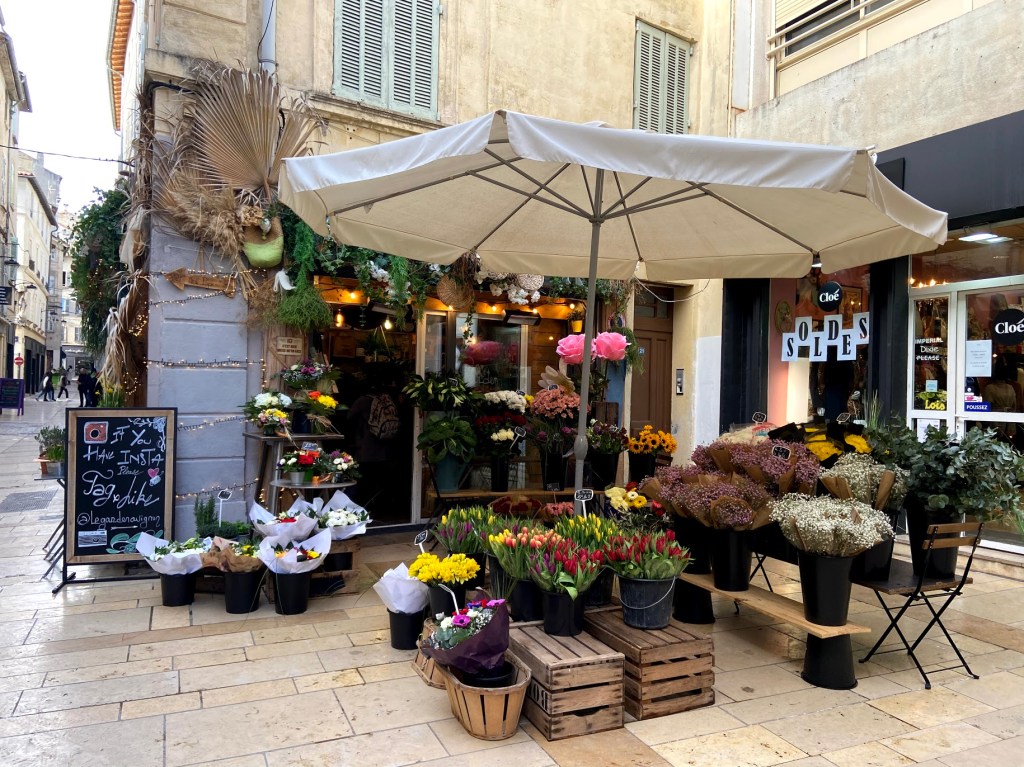
@legardenavignon on Instagram
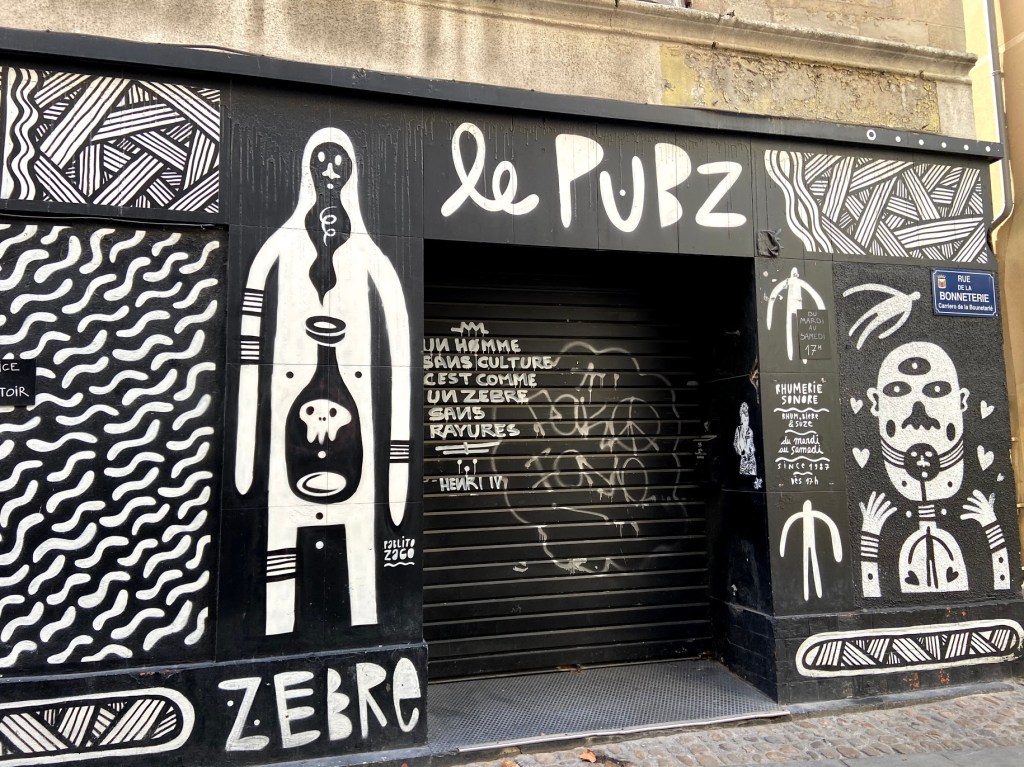
Graffiti on the door says, “A man without culture is like a zebra without it’s stripes.”
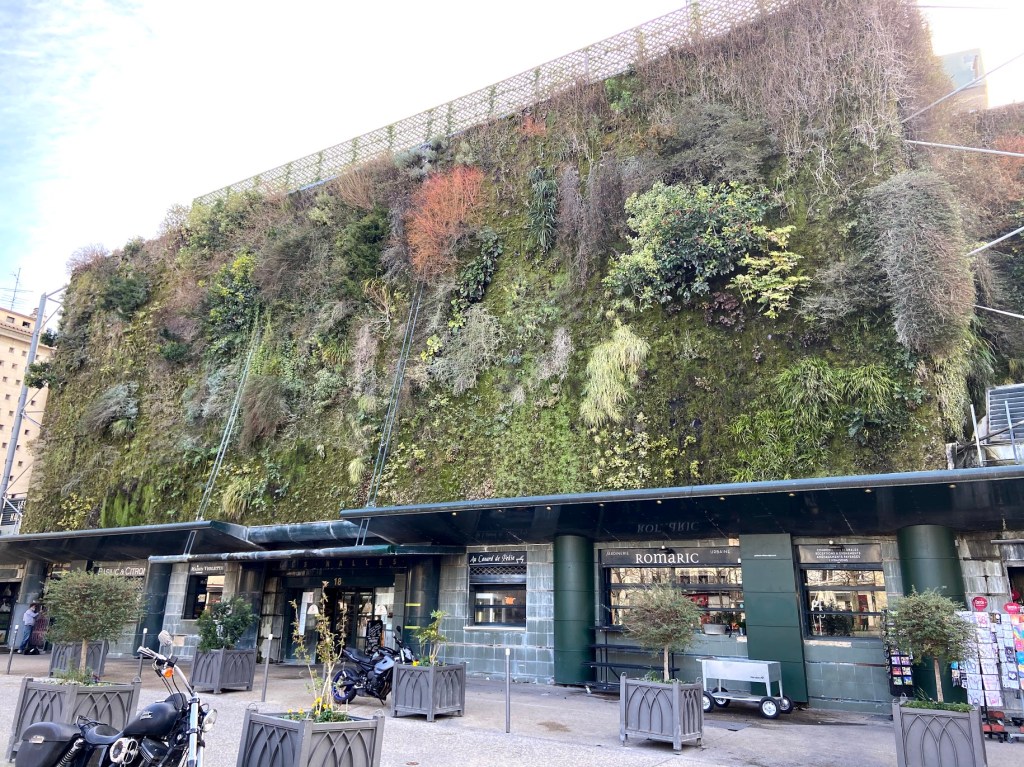
You can buy seafood, cheeses, veggies, spices, and wines.
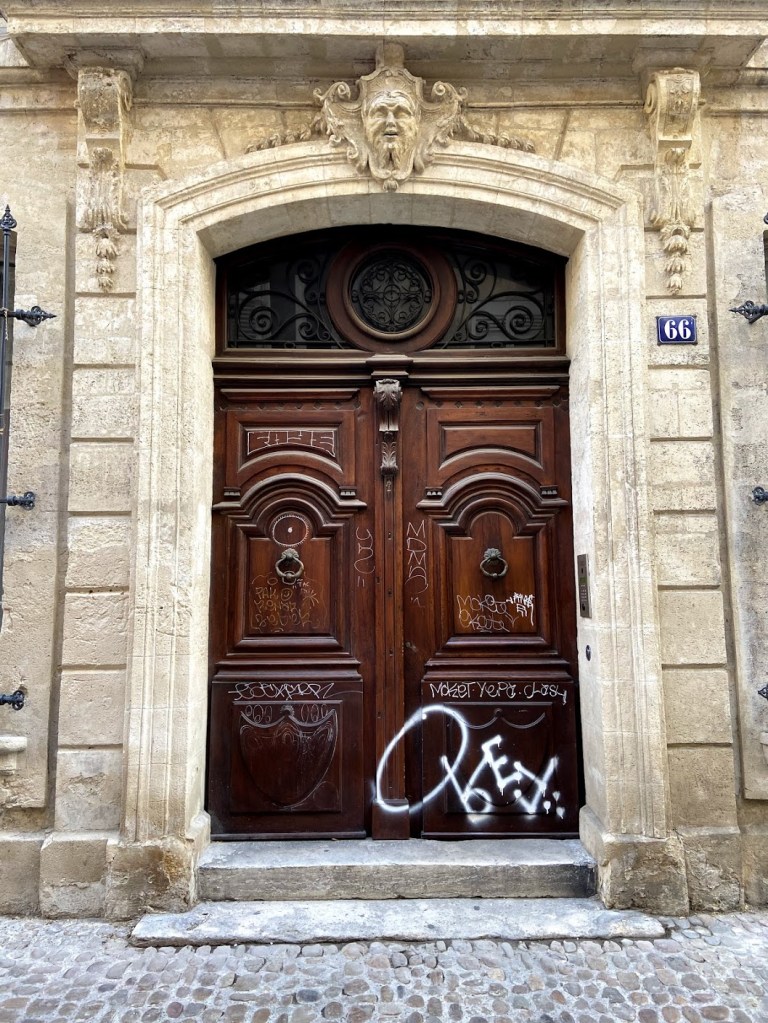
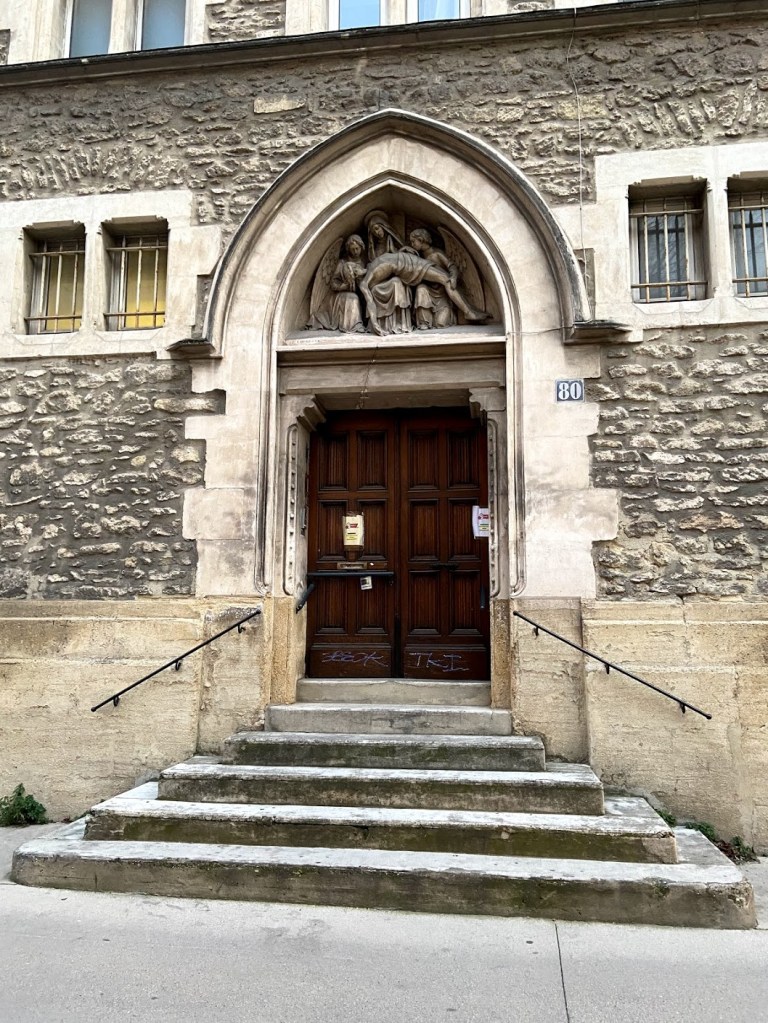
This one sat next to an amazing church. I’ll show a picture of the doors later in this post and feature the interior on the Saturday post.
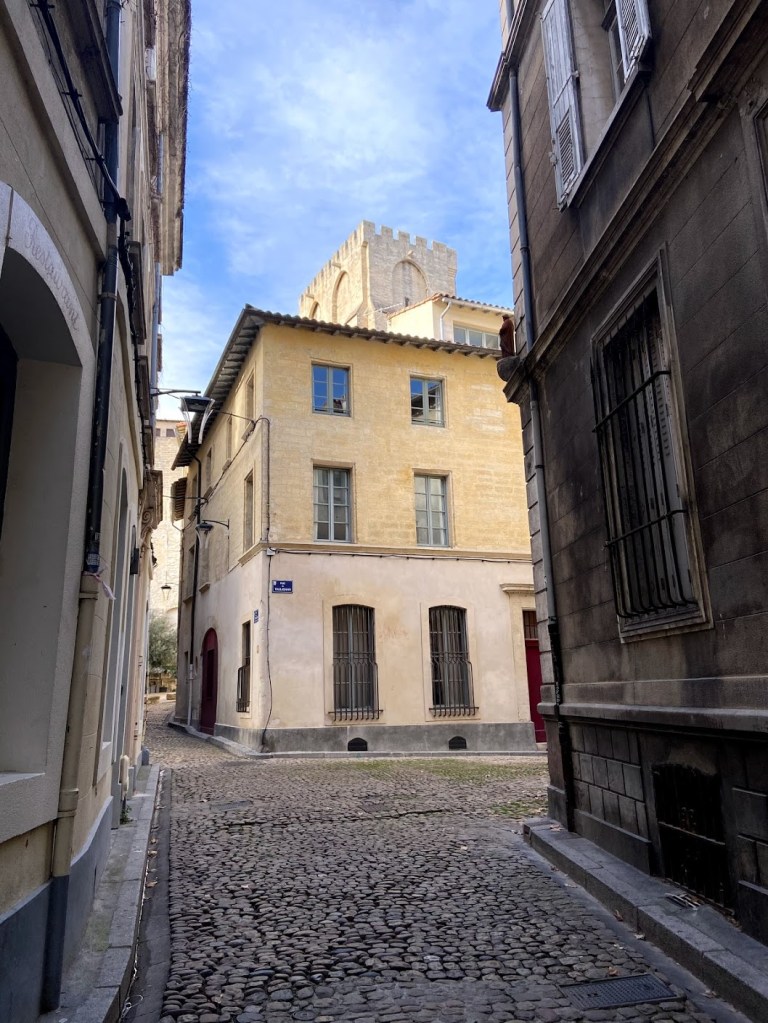
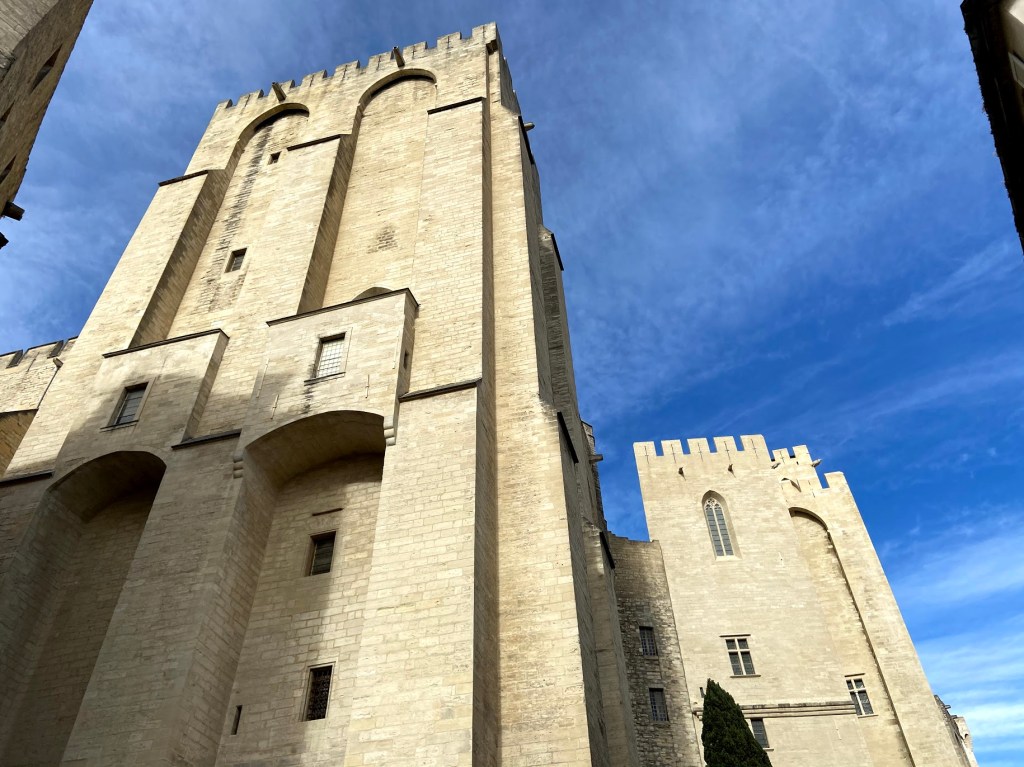
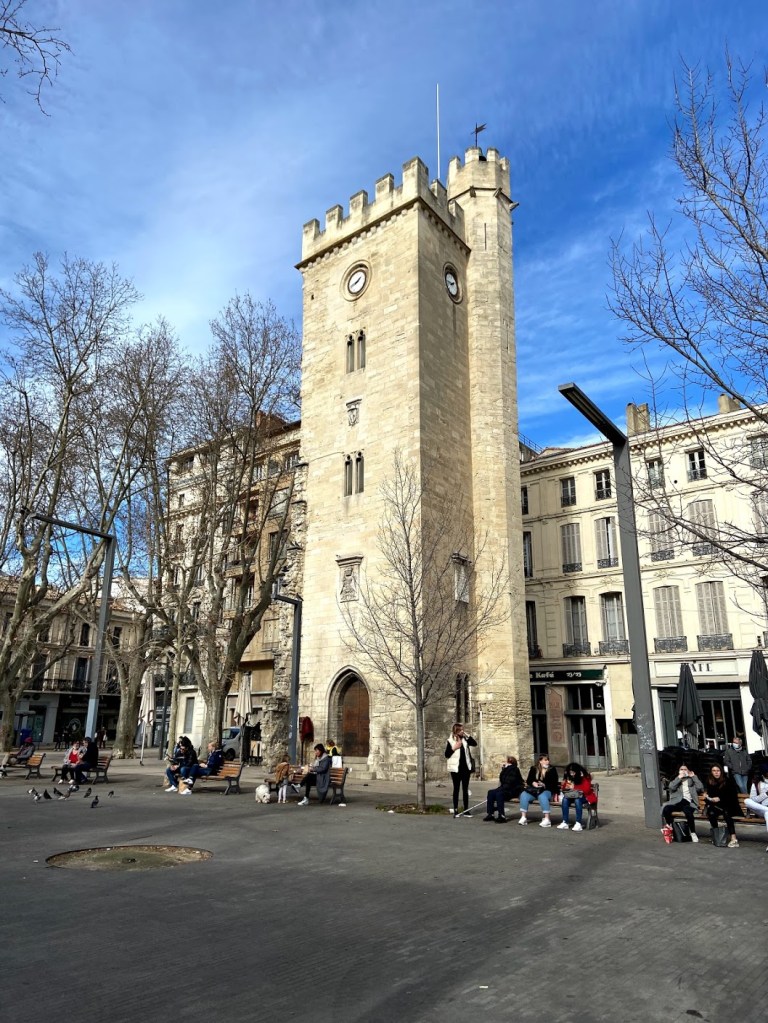
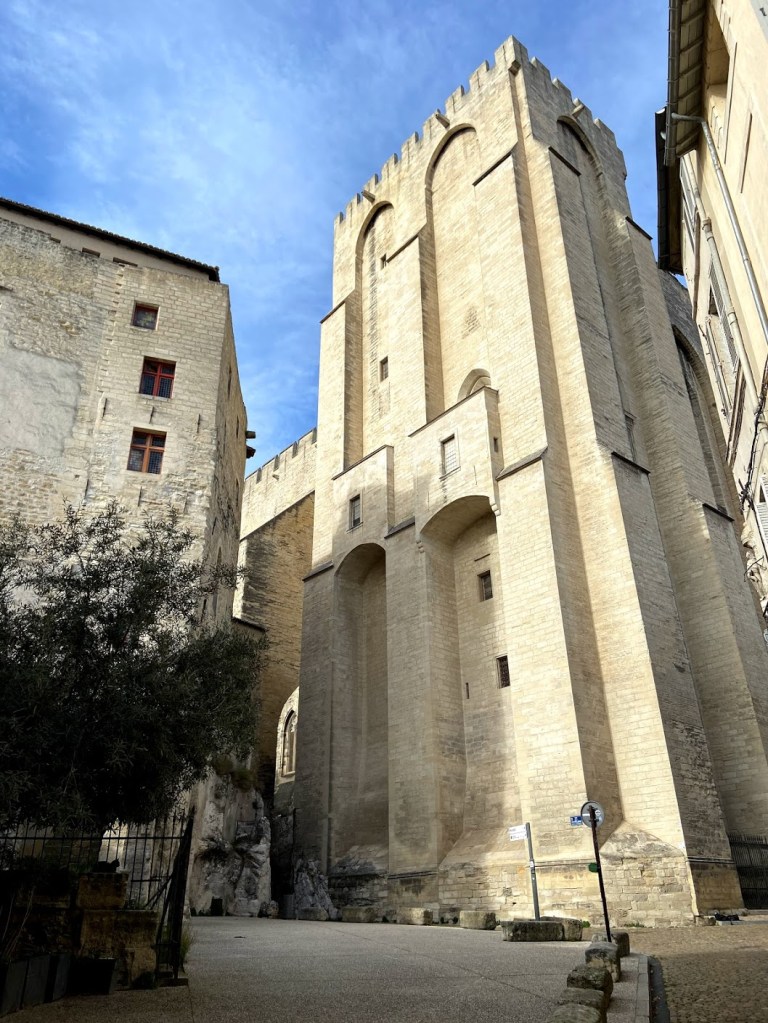
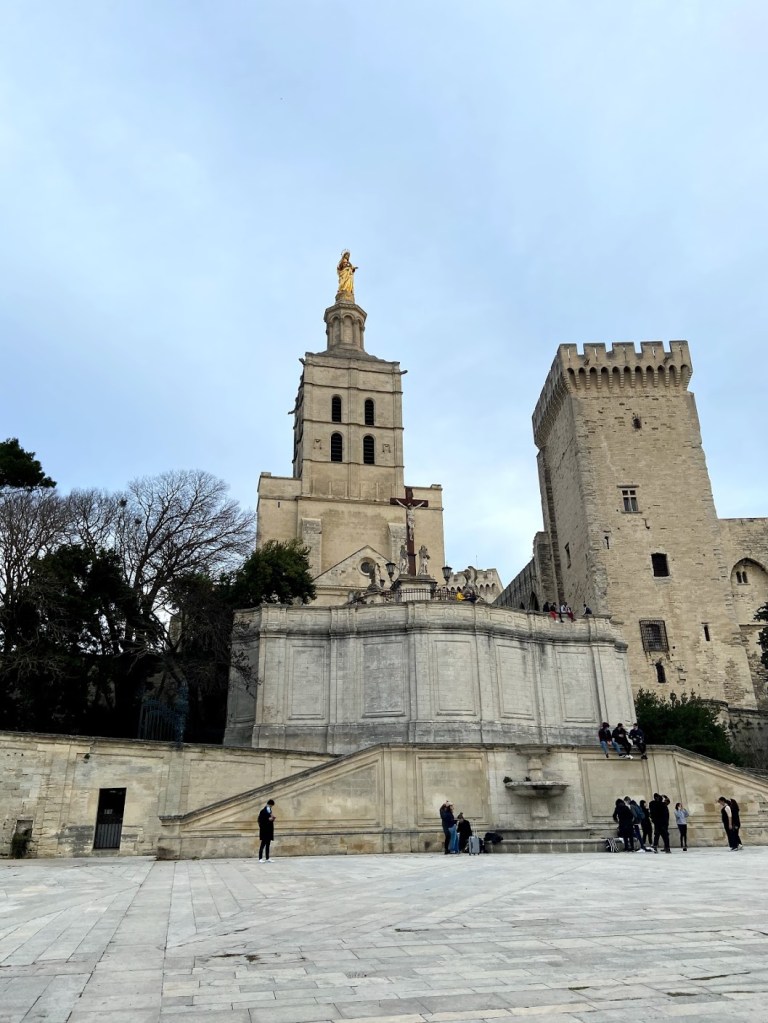
The tower is shockingly tall! It reminded me of something from Lord of the Rings.
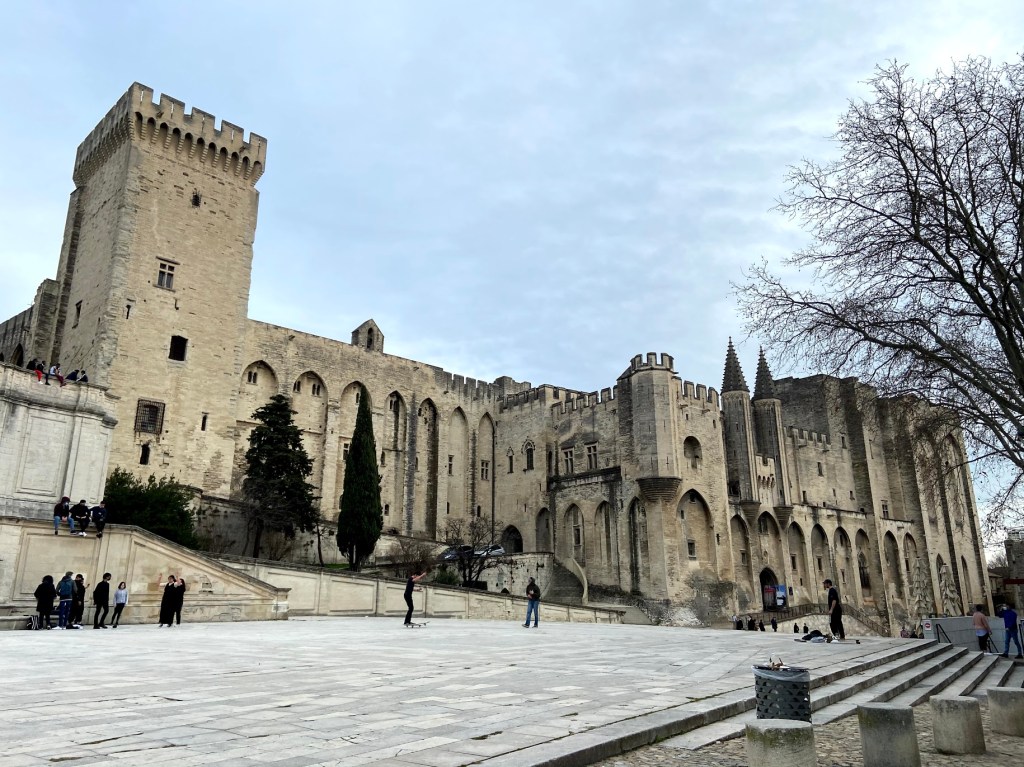
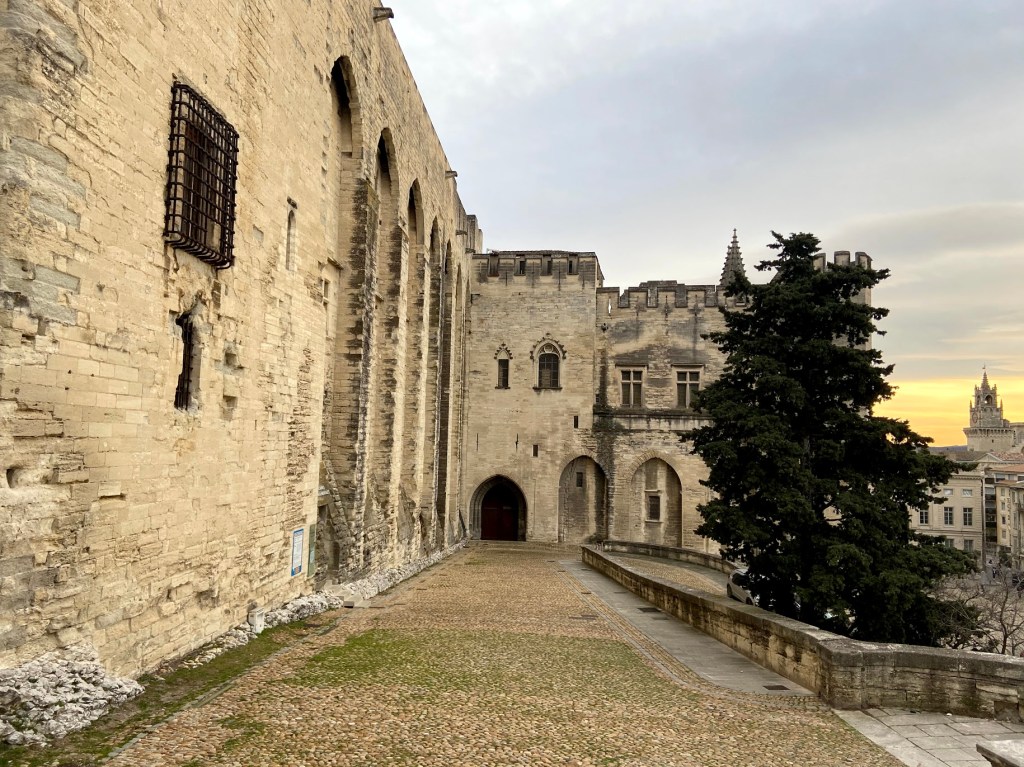
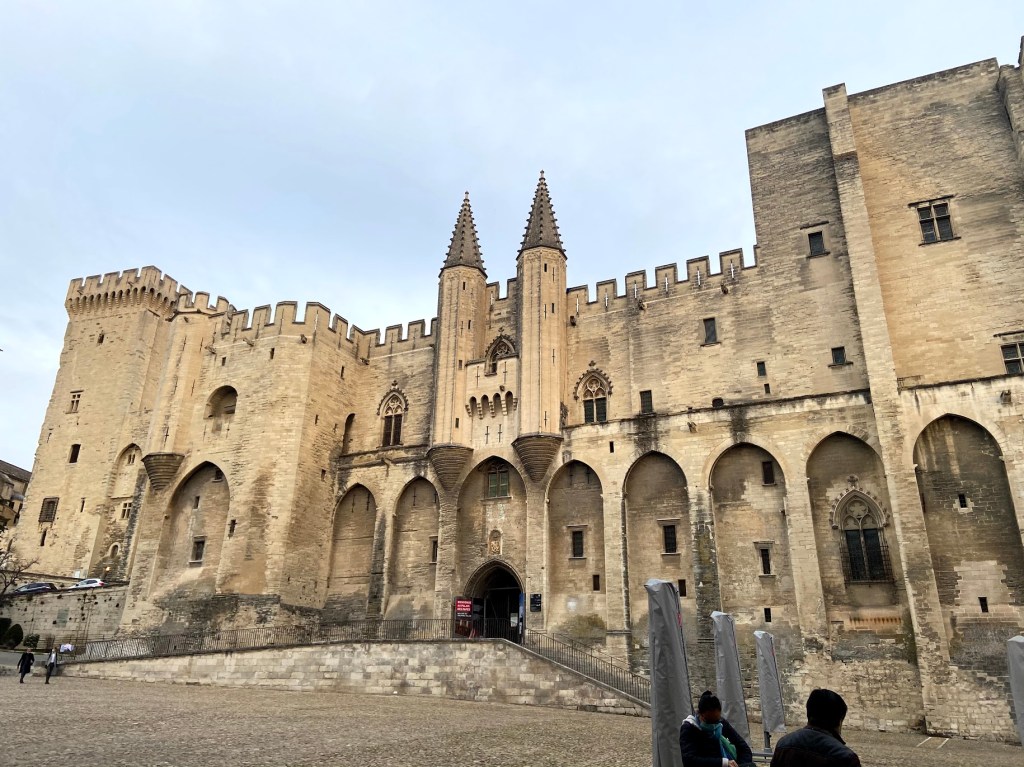
Construction on the palace started in 1335. It was finished in under 20 years. Benedict XII and Clement VI led the construction efforts. It holds the record for the largest Gothic palace in Europe!
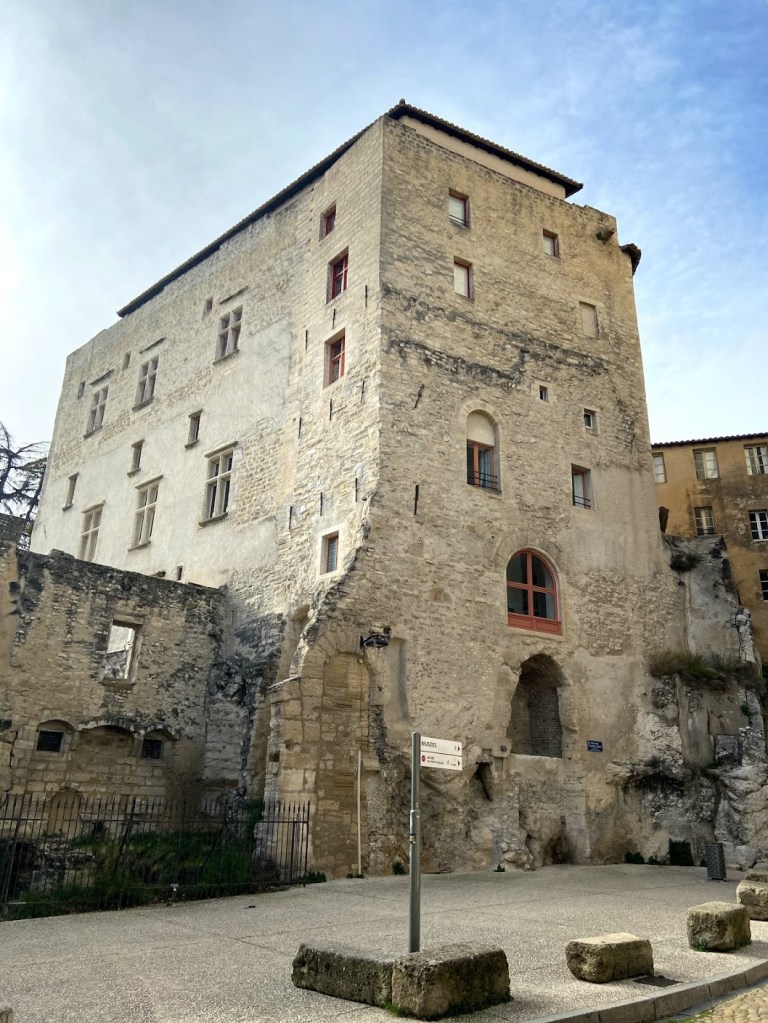
Originally constructed in 1129. The Commune remained in power until the 13th century.
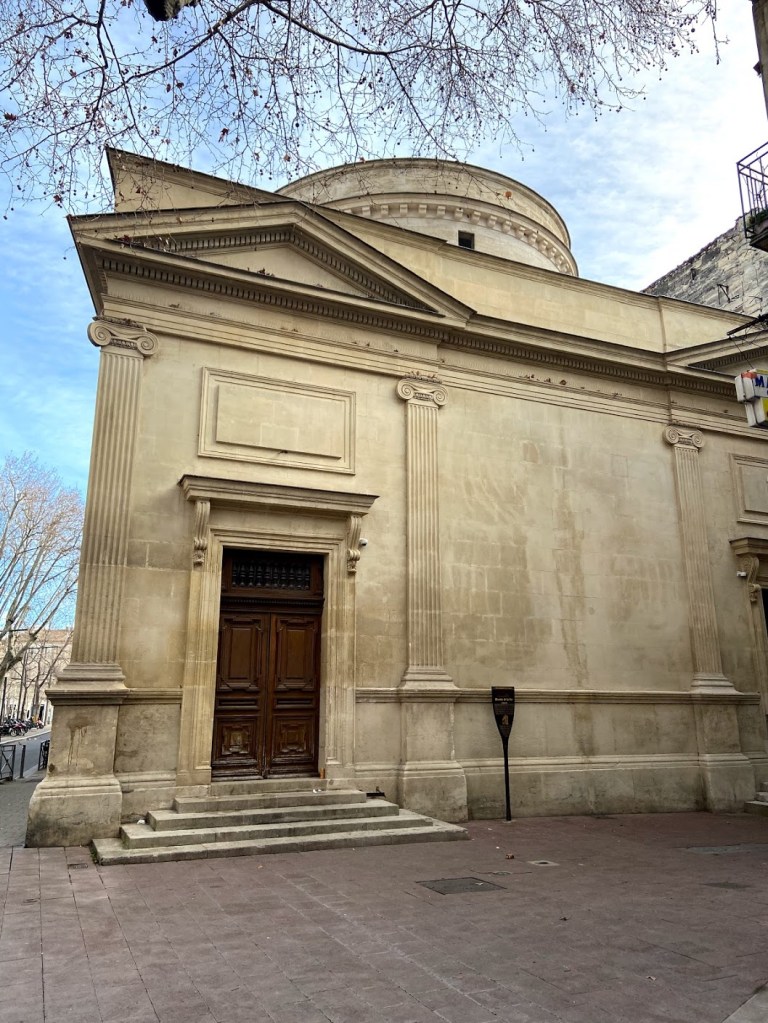
The segregated neighborhoods were abolished during the first French Revolution in 1789.
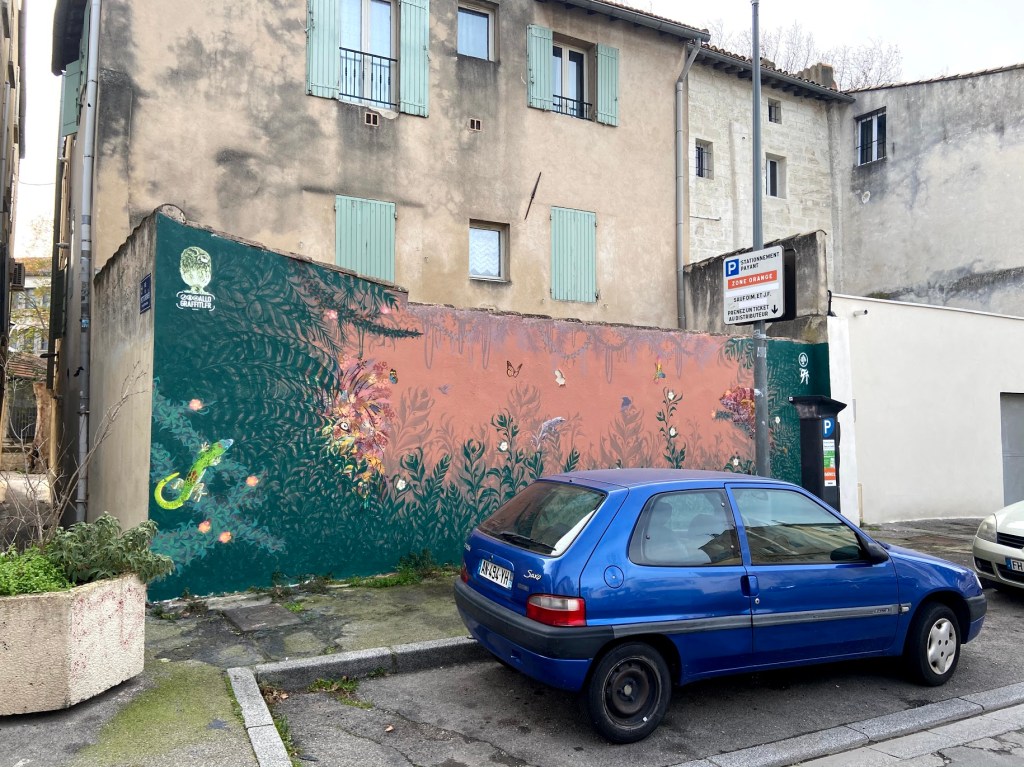
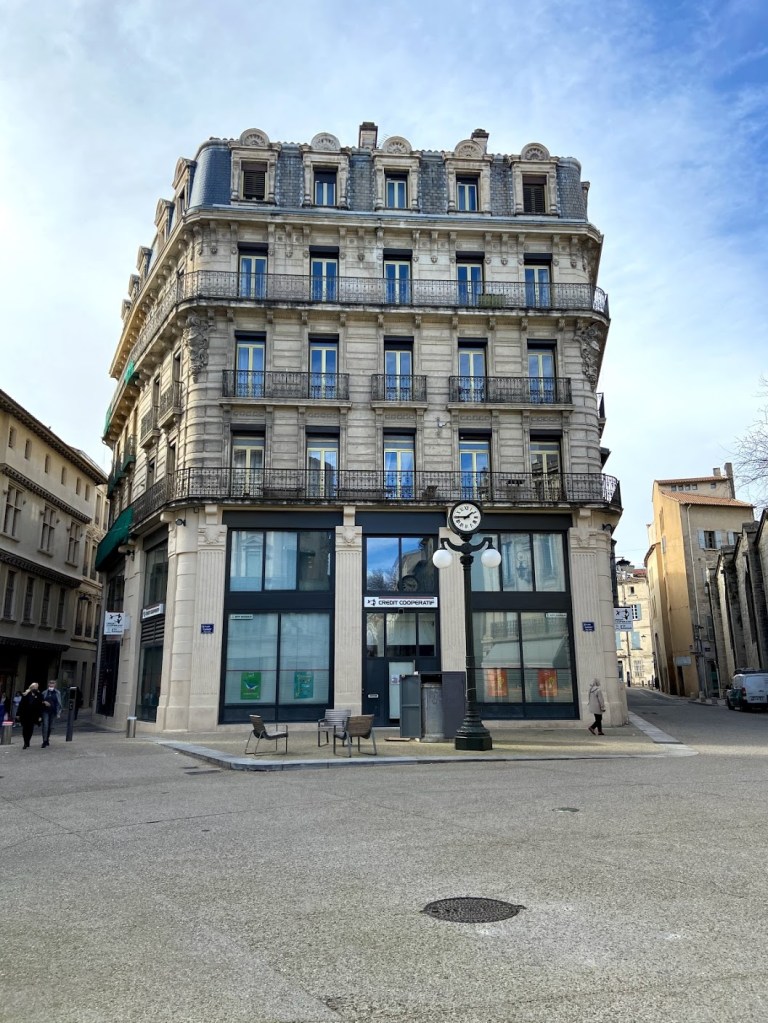
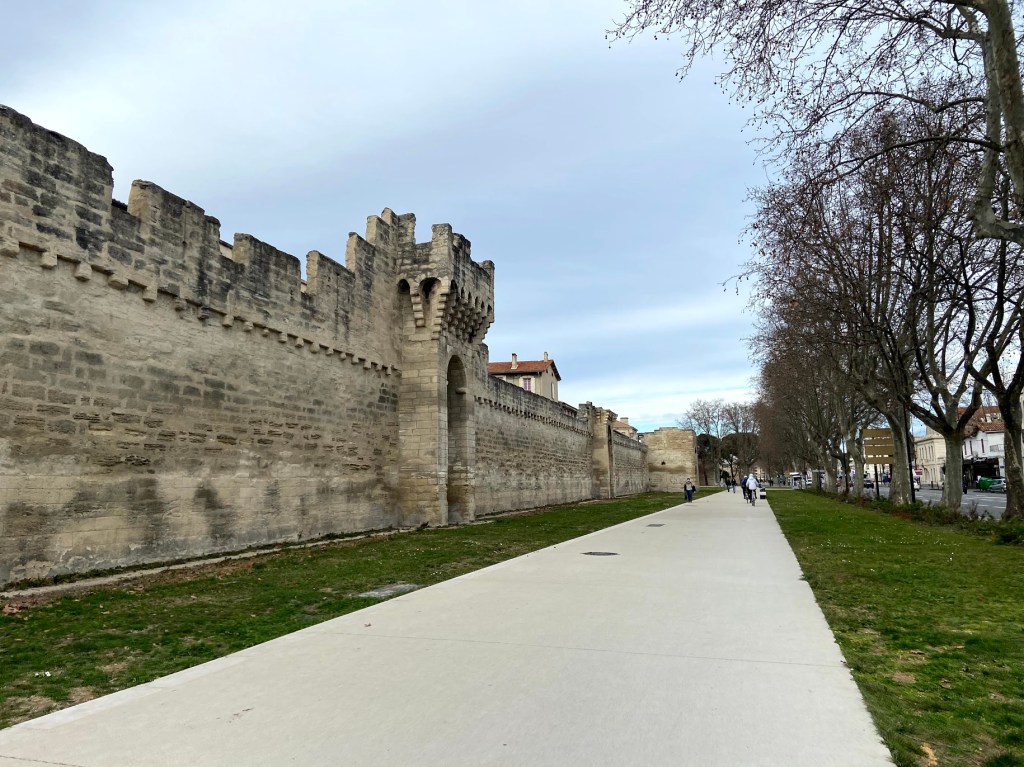
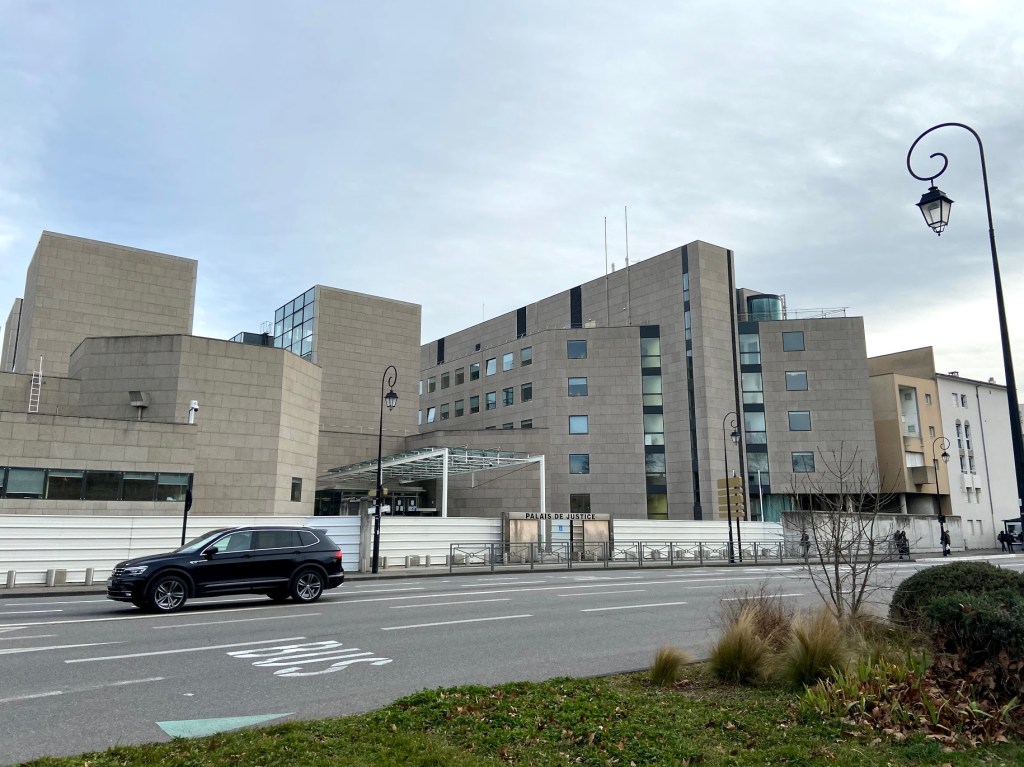
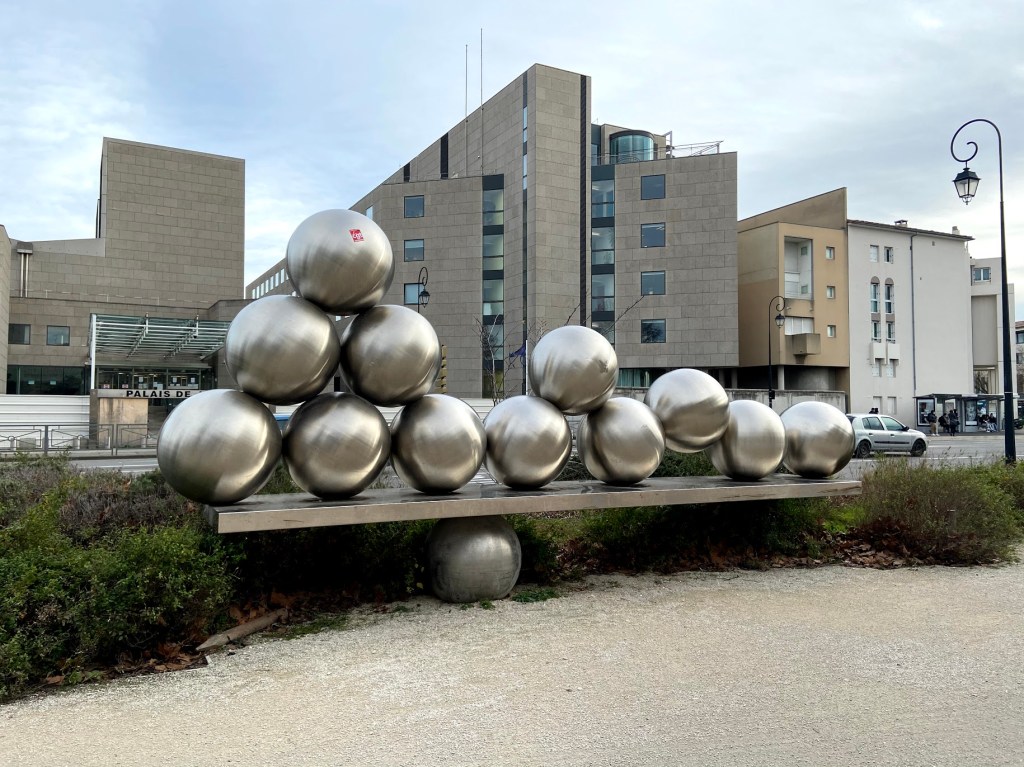
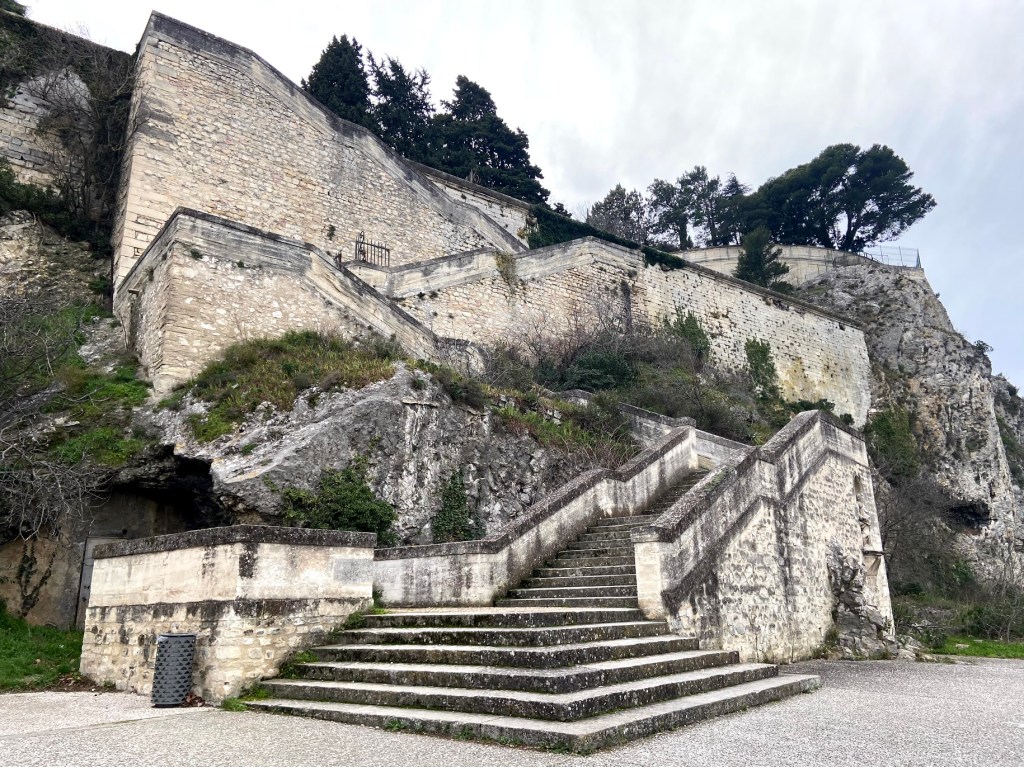
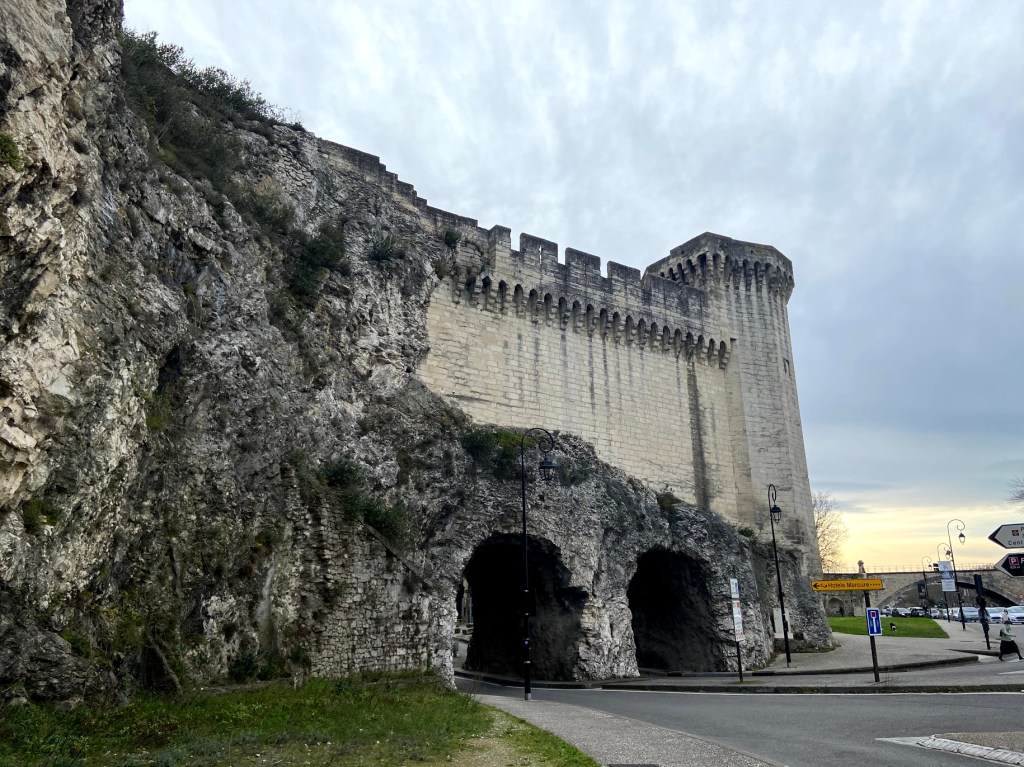
I went back to the apartment for a bit to sit down and rest. I drank some water before heading back out into the street. I decided to explore around the edge of the wall. To exit, I took a little staircase underground and popped out on the other side. I was surprised to see an entirely different world sitting on the other side. A five line street surrounded the wall and huge, modern buildings decorated it.
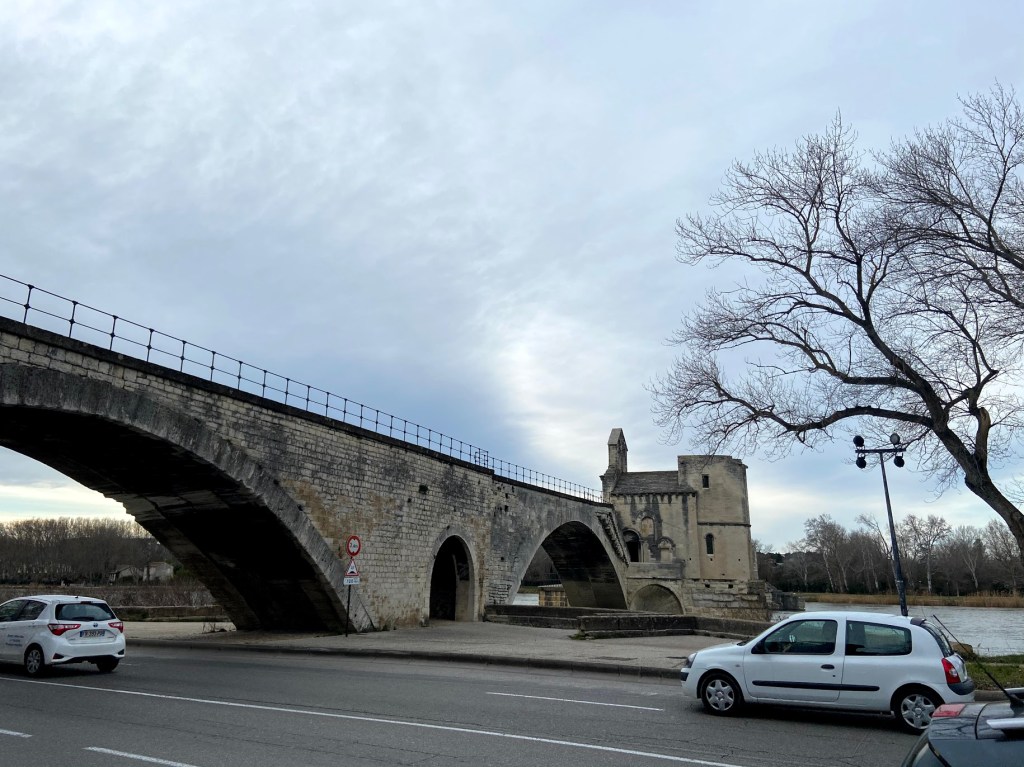
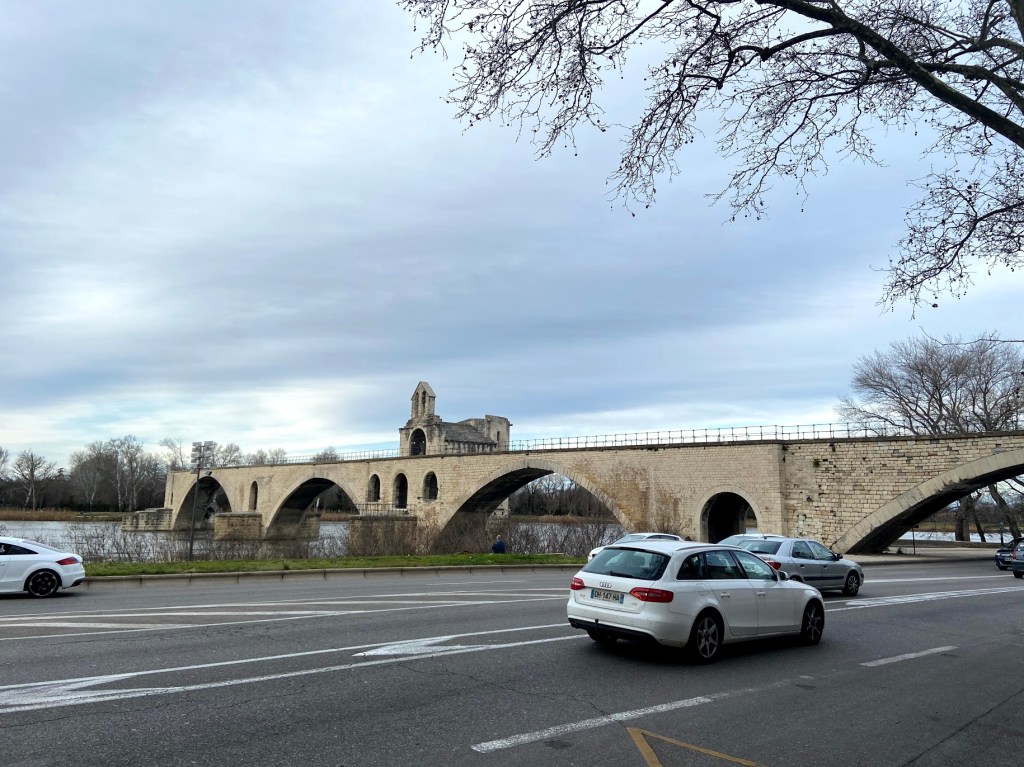
A long stretch of the bridge was destroyed after the 1226 siege by King Louis VIII. The city did repair the bridge at that time, despite it being technically forbidden. Costs of maintaining the bridge became difficult to bear after a series of catastrophic floods in the 1600s. Relics were removed from the St. Nicolas Chapel in 1674 because of the threat of imminent collapse.
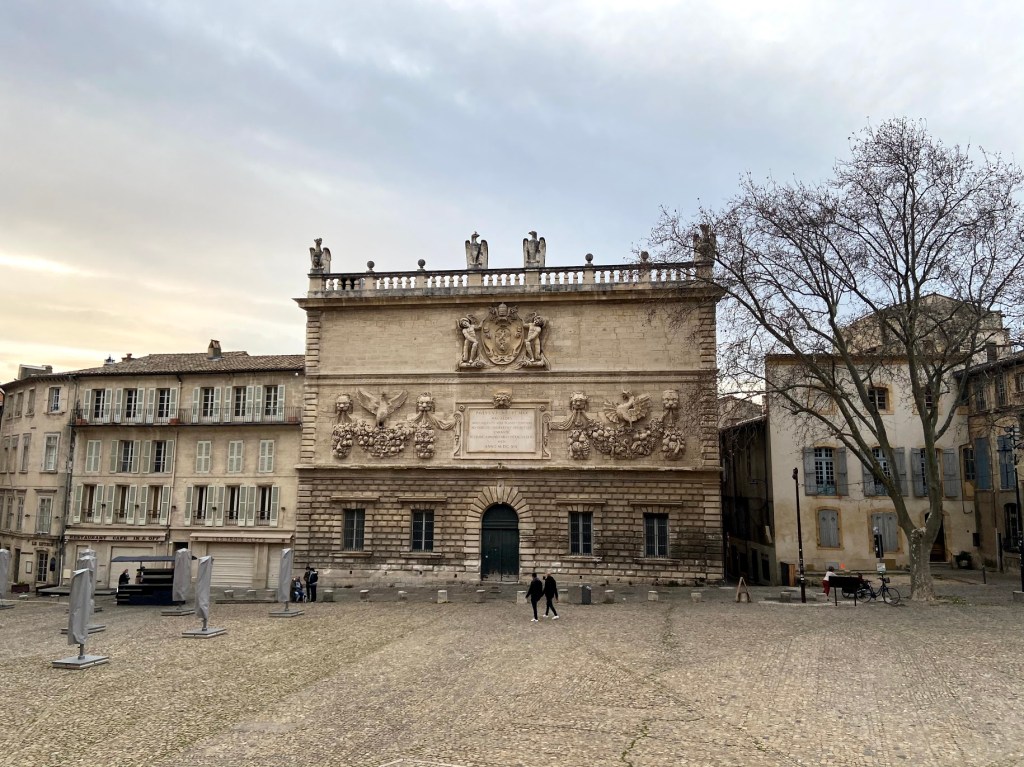
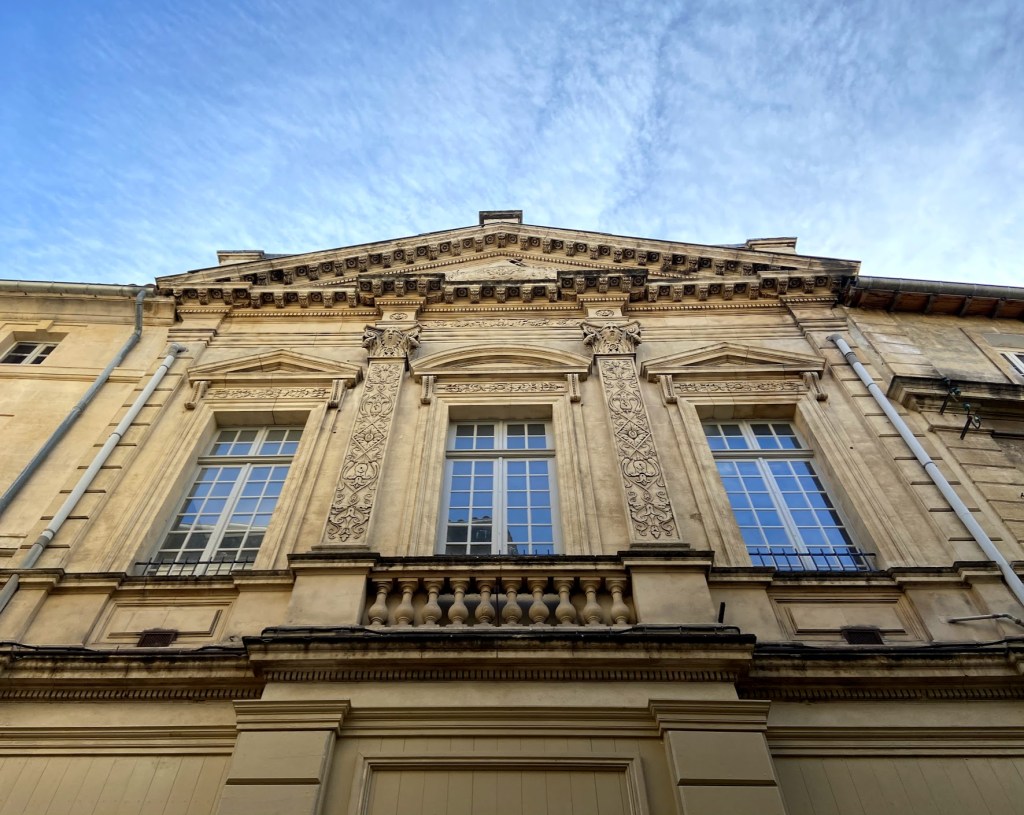
Constructed in 1619. It housed the police from 1790 to 1840. The mayor’s office occupied the building from 1846-1852. It currently is a “boutique-hôtel.”
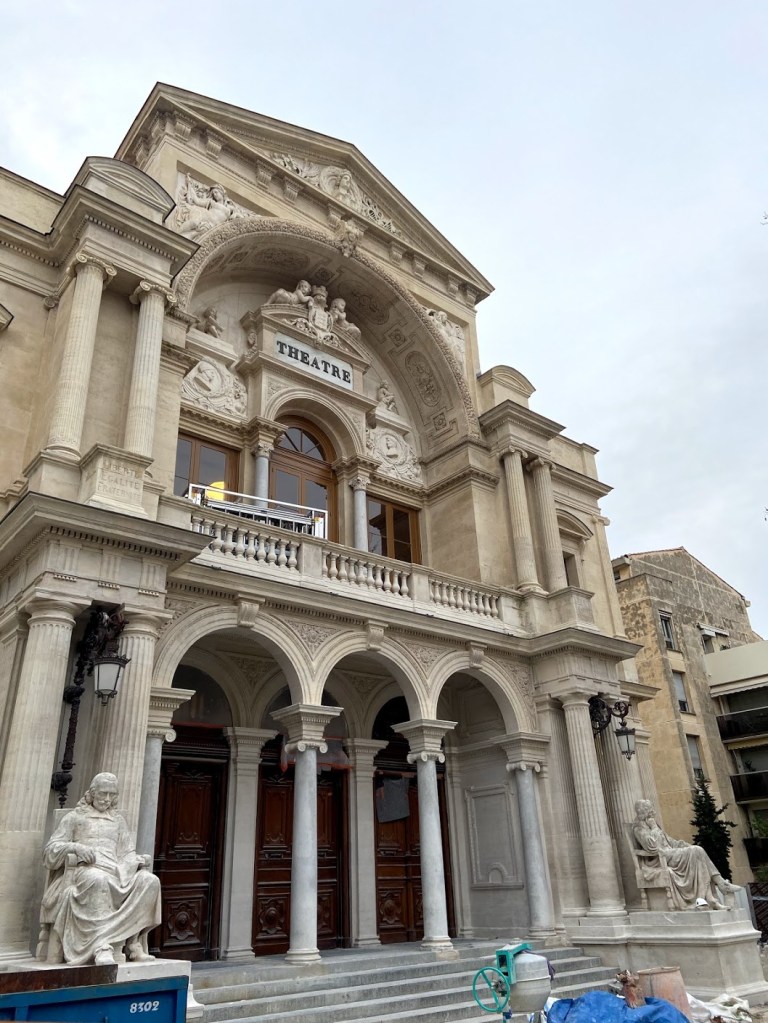
First built in 1824-25. The opening performance there was in 1825. The original building burned down in 1846 and was rebuilt the following year. It has been in operation since that time.
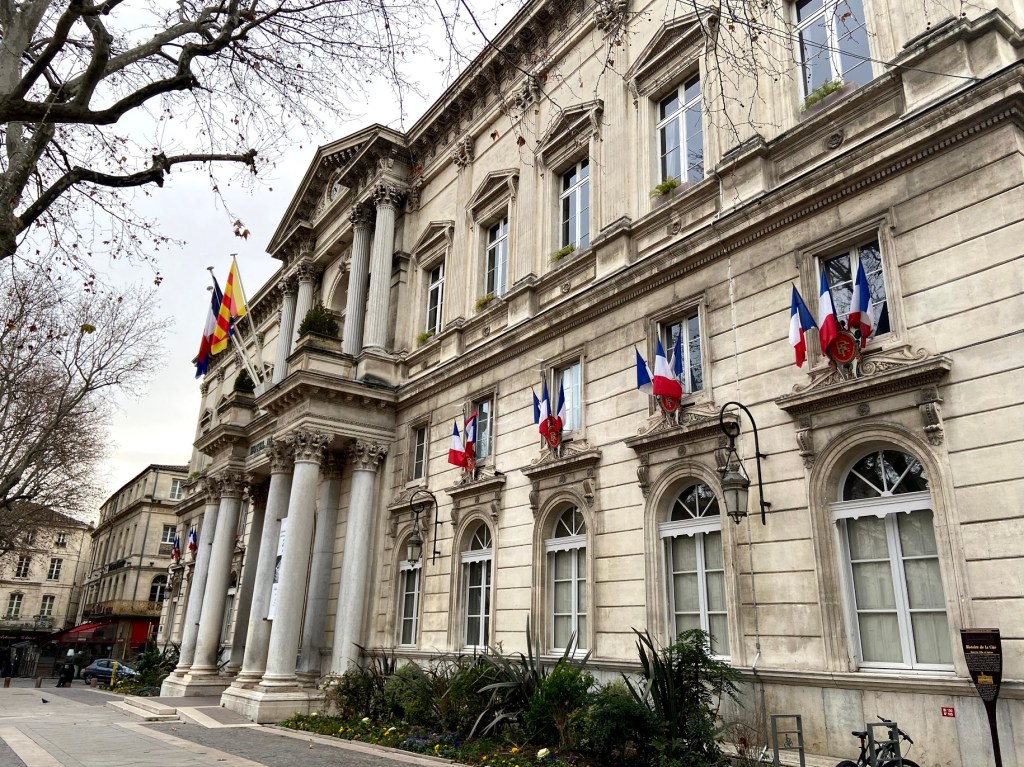
Built between 1845 and 1856 around the Tower of Jacquemart. It is the last vestige of Cardinal Albano’s livery.
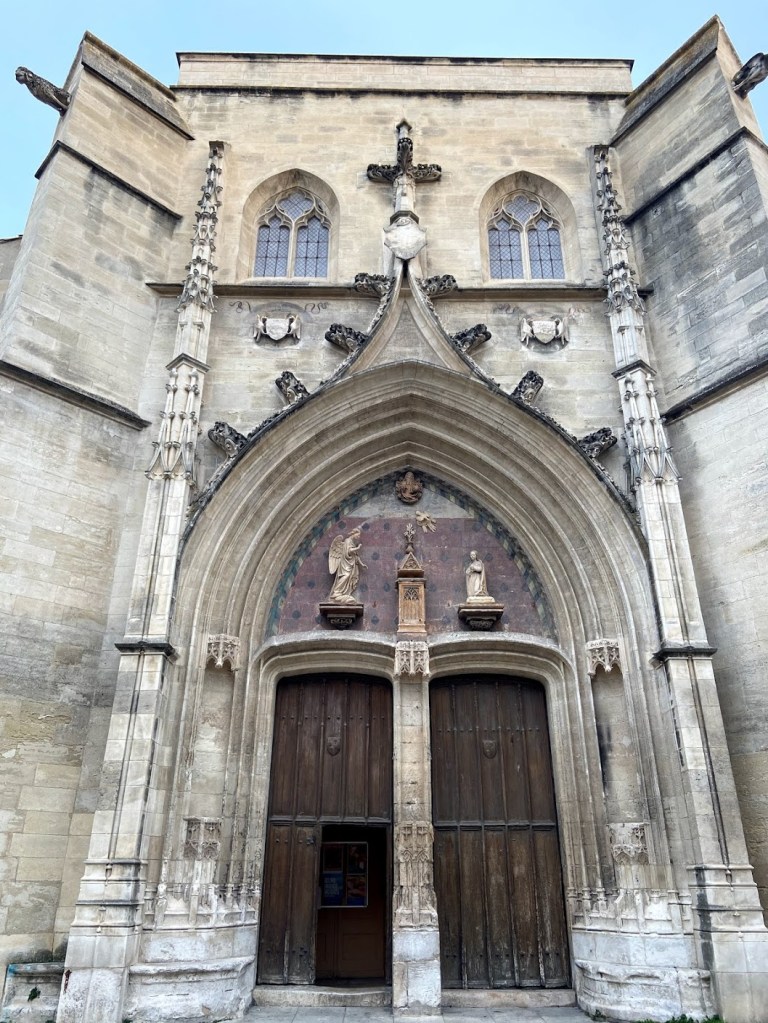
Established in the 7th century by St. Agricol. Became a collégiale church in 1321 at the hand of Jean XXII. Classified as a historic monument in 1980.
I walked in to take a look around inside and realized I’d arrived just as the church service started. I had to scoot back outside in a hurry.
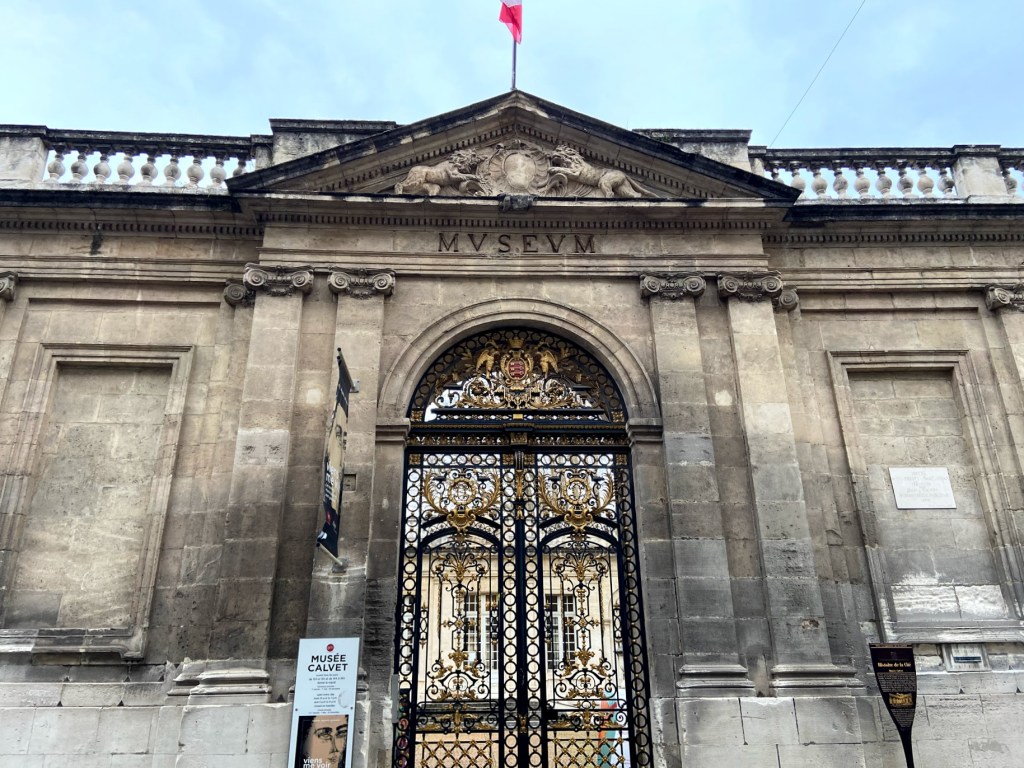
The main museum of Avignon. Collections are are divided between two buildings. They include goldwork, tapestries, ironwork, and porcelain.
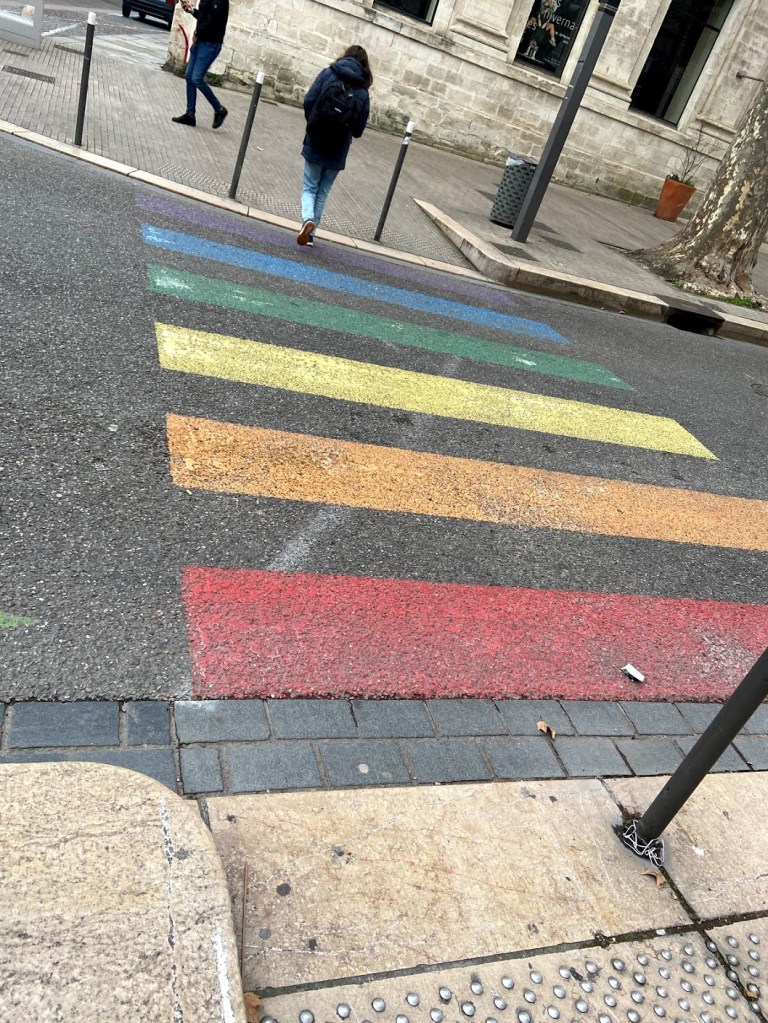
This week there were manifestations in Paris for Gay Rights.
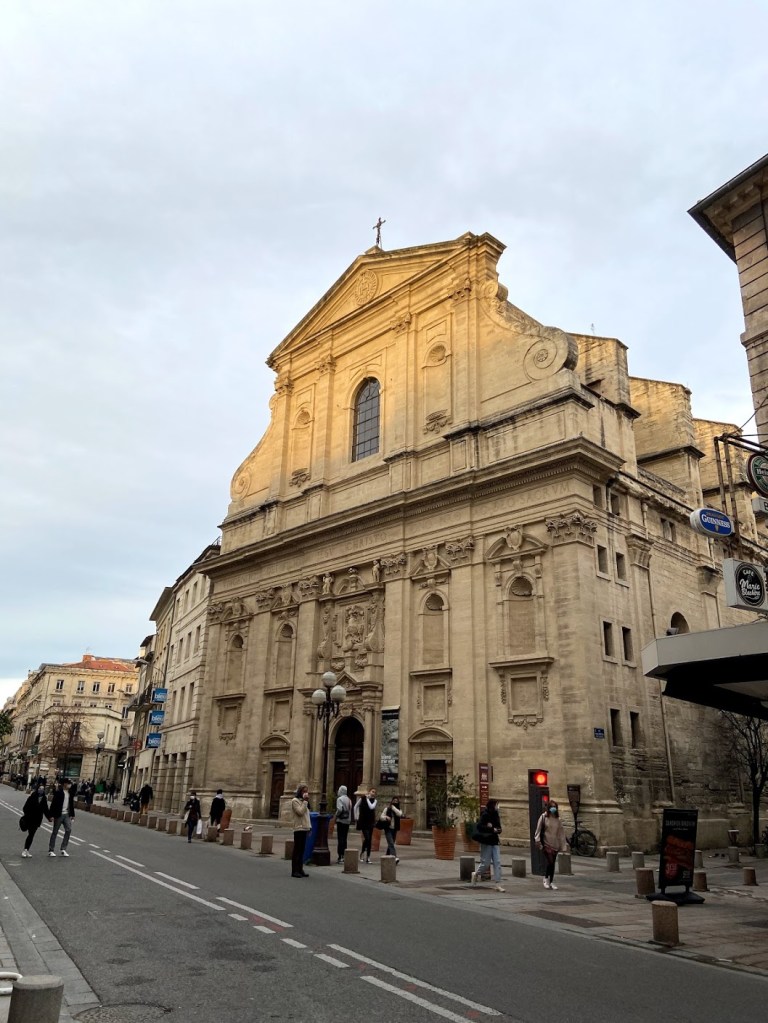
On my way to the Airbnb for the night before curfew started, I stopped for a slice of pizza and ate across the street.
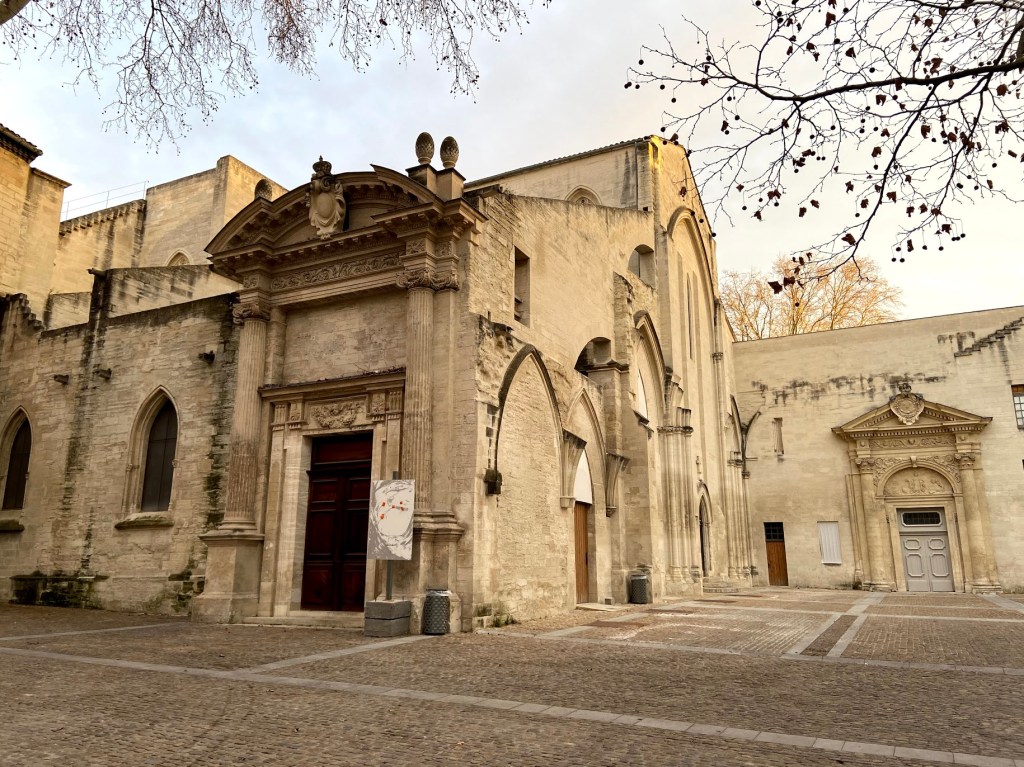
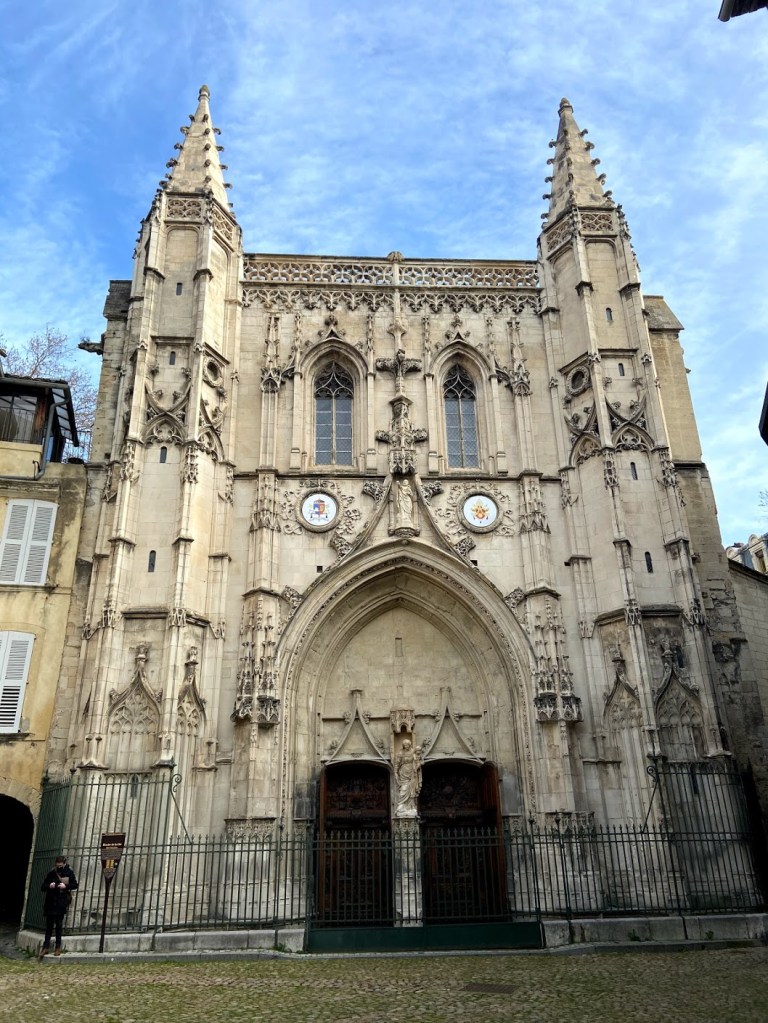
Built in 1395 by Clément VII and Charles VI of France. It is near the tomb of Pierre de Luxembourg. There are numerous religious relics inside. It is the only royal building within the city walls. It was once the most sumptuous church in the city.
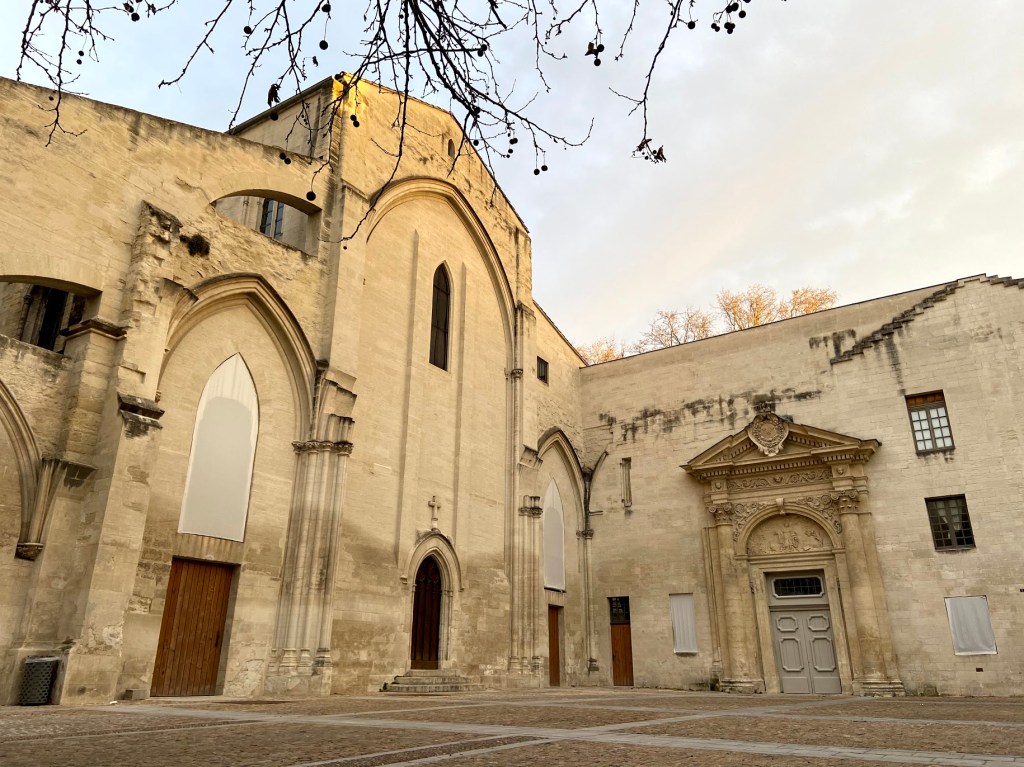
I stopped across the street to pick up wine for the night.
I got back to the Airbnb and waited about 30 minutes for the other assistants to show up. They brought burgers and sodas with them for us to eat for dinner. We chatted and got to know each other. It was really great to speak English with people and to have them understand. The girls were from Ohio, Nebraska, and Kentucky. I’m excited to learn more about them and their states! We made a plan for what we’d like to see the next day and went to bed pretty late. It was so fun getting to chat with them.

 Mary-Est-En-France